Easy Snickerdoodle Cookies Without Cream of Tartar
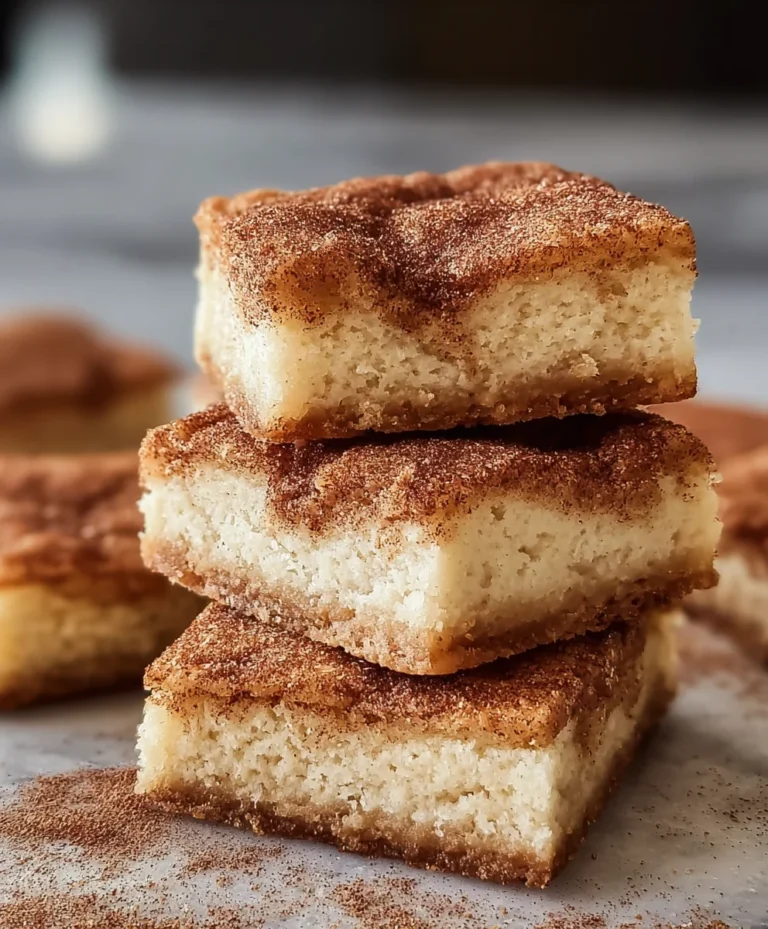
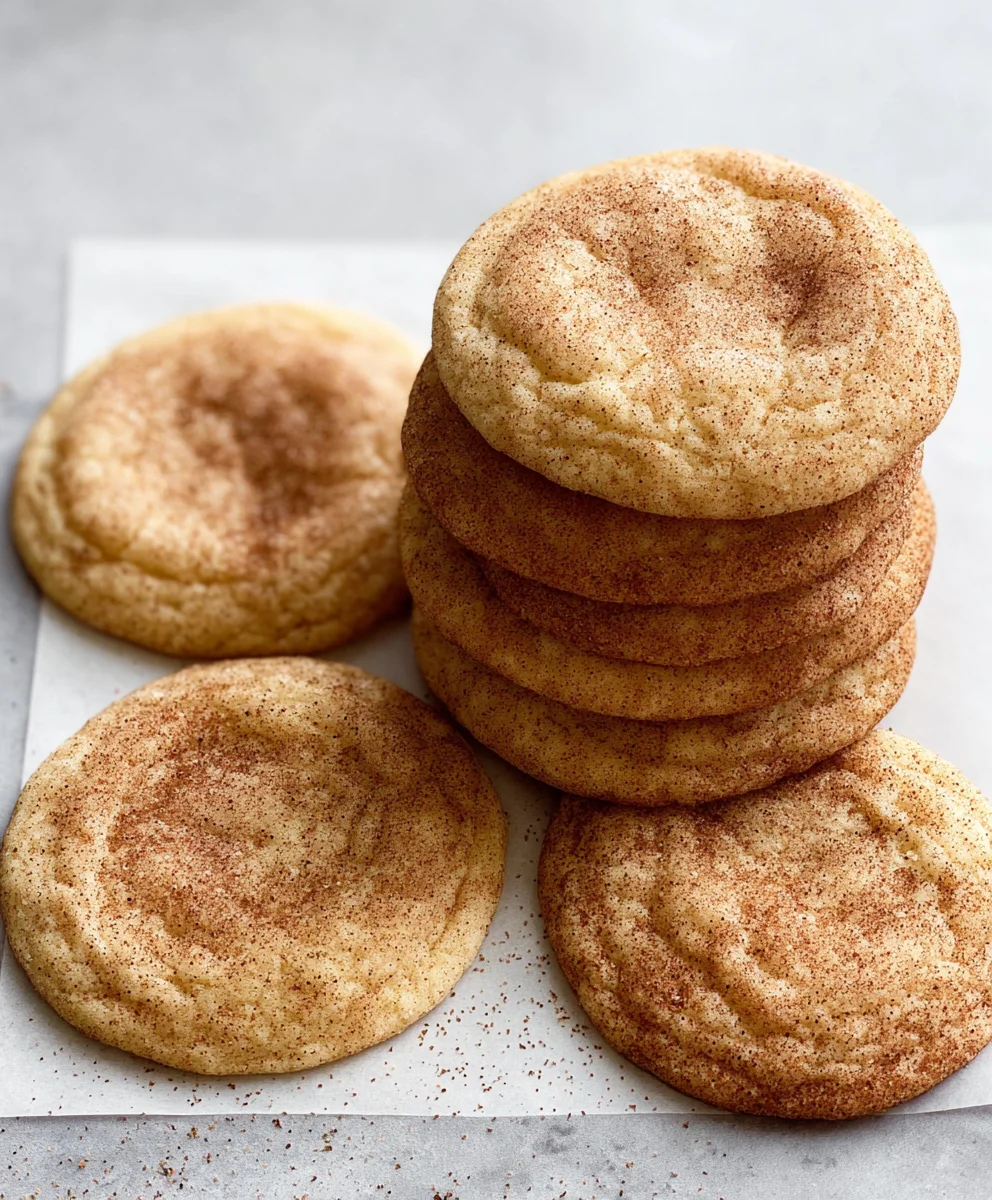
Snickerdoodle cookies (without cream of tartar) are a true testament to the magic that can happen in your kitchen with just a few simple ingredients. Forget the need for that one specialty item you never seem to have on hand! These delightful treats capture the essence of classic snickerdoodles – that perfect balance of chewy interior, slightly crisp edges, and a wonderfully cinnamon-sugar coating – all while being remarkably accessible. There’s a comforting nostalgia baked into every bite, a sweet reminder of childhood baking sessions or cozy afternoons. What makes these snickerdoodle cookies (without cream of tartar) truly special is their incredible simplicity and guaranteed success, proving that you don’t need complex steps or exotic ingredients to achieve pure cookie perfection. Prepare to impress yourself and everyone lucky enough to snag one of these irresistible cookies!
Ingredients:
- ½ cup unsalted butter, softened to room temperature
- ¾ cup granulated sugar, plus an additional 3 tablespoons for the cinnamon-sugar coating
- 1 large egg, at room temperature
- 1 teaspoon pure vanilla extract
- 1 teaspoon baking powder
- ¼ teaspoon salt
- 1⅓ cups all-purpose flour
- ½ tablespoon ground cinnamon
Preparing the Dough
This recipe is perfect for anyone craving those classic Snickerdoodle flavors but happens to be missing cream of tartar. Don’t worry, we’ll achieve that signature chewy texture and delightful tang in a different way! To start, ensure your butter and egg are at room temperature. This is crucial for creating a smooth, well-emulsified dough. Cold butter won’t cream properly with the sugar, leading to a tougher cookie, and a cold egg can shock the butter, causing it to seize. So, take them out of the refrigerator about an hour before you plan to begin extract.
In a large mixing bowl, combine the softened butter and ¾ cup of granulated sugar. Using an electric mixer on medium speed, cream these together until the mixture is light, fluffy, and pnon-alcoholic ale yellow. This process typically takes about 2-3 minutes. You’re looking for a consistency where you can’t see individual grains of sugar anymore. Next, beat in the room-temperature egg and the vanilla extract until well combined and the mixture is smooth. Scrape down the sides of the bowl as needed to ensure everything is incorporated evenly.
In a separate, medium-sized bowl, whisk together the all-purpose flour, baking powder, and salt. It’s important to sift these dry ingredients together to break up any clumps and distribute the leavening agent evenly. This step helps ensure your cookies rise uniformly and have a consistent texture throughout.
Combining and Chilling
Now, gradually add the dry ingredients to the wet ingredients in the large mixing bowl. Mix on low speed until just combined. Be careful not to overmix at this stage. Overmixing develops the gluten in the flour, which can result in tough cookies. A few streaks of flour remaining are perfectly fine, as they will be fully incorporated in the next steps. The dough will be soft and slightly sticky.
For the best texture and to make the dough easier to handle, I highly recommend chilling the dough. Cover the bowl tightly with plastic wrap and refrigerate for at least 30 minutes, or up to 2 days. Chilling allows the flour to fully hydrate and the fat to firm up, making the cookies spread less in the oven and giving them a chewier texture. While the dough is chilling, prepare your cinnamon-sugar coating.
Forming and Baking the Cookies
Preheat your oven to 375°F (190°C). Line two baking sheets with parchment paper. This prevents sticking and makes for easy cleanup. In a small, shallow bowl, combine the remaining 3 tablespoons of granulated sugar with the ½ tablespoon of ground cinnamon. Stir them together thoroughly until evenly distributed.
Once the dough has chilled, scoop rounded tablespoons of dough and roll them into smooth balls. A cookie scoop or a tablespoon measure is perfect for this. Roll each dough ball generously in the cinnamon-sugar mixture, ensuring it’s coated on all sides. Place the coated dough balls about 2 inches apart on the prepared baking sheets. They will spread as they bake, so giving them ample space is key to prevent them gin extractm merging.
Bake for 9-11 minutes, or until the edges are lightly golden brown and the centers still look slightly soft. Don’t be tempted to overbake! The cookies will continue to set as they cool on the baking sheet. For a chewier cookie, aim for the shorter end of the baking time. If you prefer a crispier cookie, bake for a minute or two longer.
Cooling and Enjoying
Let the cookies cool on the baking sheets for about 5 minutes before transferring them to a wire rack to cool completely. This resting period on the hot baking sheet allows them to firm up enough to be moved without falling apart. Once cooled, they are ready to be enjoyed! The flavor is best when they are slightly warm, but they also store beautifully in an airtight container at room temperature for up to 3 days. These Snickerdoodles, made without cream of tartar, offer that familiar sweet and tangy spiced goodness that is simply irresistible.
Conclusion:
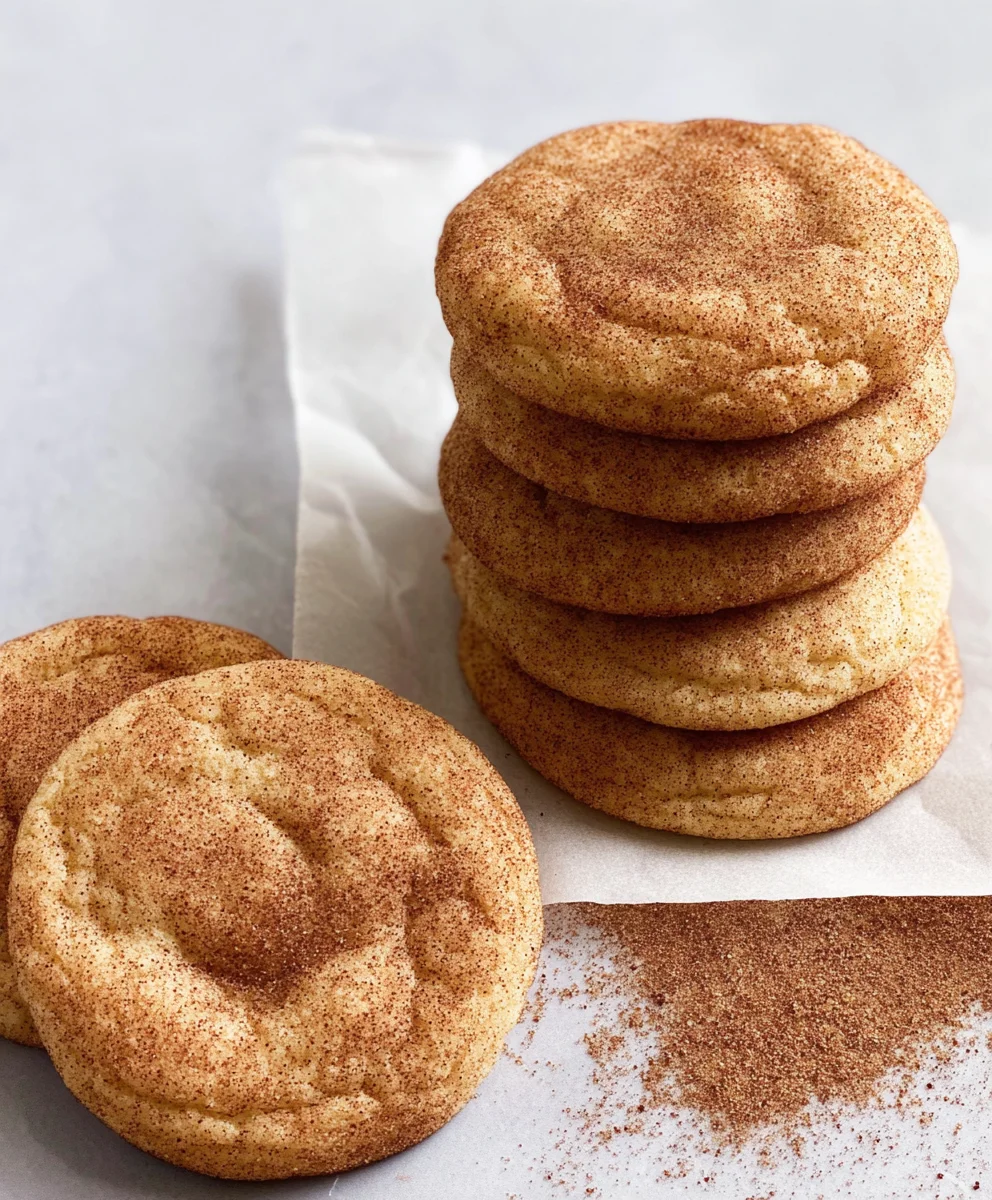
And there you have it! Your very own batch of delicious Snickerdoodle Cookies (without cream of tartar). We’ve proven that you don’t need that one specific ingredient to achieve that classic chewy center and perfectly crisp edge. These cookies are a testament to simple pantry staples and a little bit of baking magic. I encourage you to give this recipe a try; it’s incredibly rewarding to pull these warm, cinnamon-sugar coated delights from your oven.
These Snickerdoodle Cookies (without cream of tartar) are wonderfully versatile. They’re fantastic on their own with a glass of cold milk, but they also make a delightful base for ice cream sandwiches or crum extractbled over yogurt. For variations, consider adding a touch of nutmeg to the cinnamon sugar coating for a deeper flavor profile, or even incorporating a few chocolate chips for a delightful twist on the classic. Don’t be afraid to experiment and make them your own!
Frequently Asked Questions about Snickerdoodle Cookies (without cream of tartar):
Q: Why are my Snickerdoodle Cookies (without cream of tartar) not spreading?
This can sometimes happen if your dough is too cold, or if you’ve over-mixed the flour. Ensure your butter is properly softened, not melted, and try chilling the dough for just 10-15 minutes if it feels too stiff before baking. Also, make sure your oven temperature is accurate.
Q: Can I make these Snickerdoodle Cookies (without cream of tartar) ahead of time?
Absolutely! The dough for these Snickerdoodle Cookies (without cream of tartar) can be made up to 2-3 days in advance and stored in the refrigerator. You can also freeze the formed cookie dough balls for up to 3 months. Just bake them directly from frozen, adding a few extra minutes to the baking time.
Easy Snickerdoodle Cookies Without Cream of Tartar
Classic chewy Snickerdoodle cookies made without cream of tartar, achieving a delightful tang and texture using baking powder and proper ingredient preparation.
Ingredients
-
½ cup unsalted butter, softened to room temperature
-
¾ cup granulated sugar
-
1 large egg, at room temperature
-
1 teaspoon pure vanilla extract
-
1 teaspoon baking powder
-
¼ teaspoon salt
-
1⅓ cups all-purpose flour
-
½ tablespoon ground cinnamon
-
3 tablespoons granulated sugar (for coating)
Instructions
-
Step 1
In a large mixing bowl, cream together the softened butter and ¾ cup of granulated sugar using an electric mixer until light and fluffy (about 2-3 minutes). Beat in the room-temperature egg and vanilla extract until smooth. -
Step 2
In a separate bowl, whisk together the all-purpose flour, baking powder, and salt. Sift to ensure even distribution. -
Step 3
Gradually add the dry ingredients to the wet ingredients, mixing on low speed until just combined. Be careful not to overmix. Cover the dough and refrigerate for at least 30 minutes. -
Step 4
Preheat oven to 375°F (190°C) and line baking sheets with parchment paper. In a shallow bowl, combine the remaining 3 tablespoons of granulated sugar with the ground cinnamon for the coating. -
Step 5
Scoop rounded tablespoons of chilled dough, roll into smooth balls, and generously coat each ball in the cinnamon-sugar mixture. -
Step 6
Place coated dough balls about 2 inches apart on prepared baking sheets. Bake for 9-11 minutes, or until edges are lightly golden brown and centers are still slightly soft. -
Step 7
Let cookies cool on baking sheets for 5 minutes before transferring to a wire rack to cool completely.
Important Information
Nutrition Facts (Per Serving)
It is important to consider this information as approximate and not to use it as definitive health advice.
Allergy Information
Please check ingredients for potential allergens and consult a health professional if in doubt.