Coq au Vin – Classic French Chicken Stew Simplified
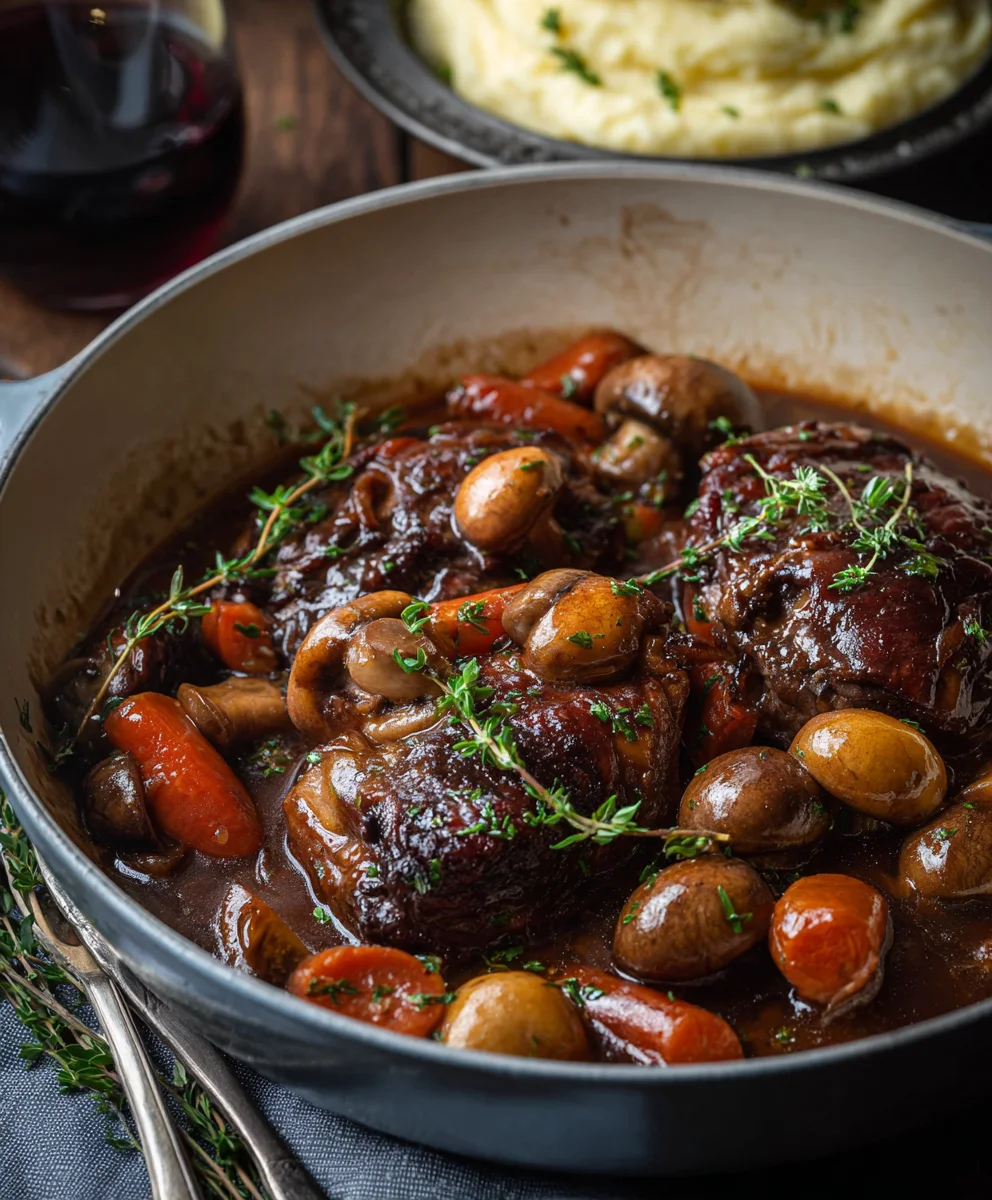
Coq au Vin, the iconic French braised chicken dish, evokes images of rustic kitchens and comforting Sunday dinners. There’s a reason this classic has endured for generations: its deeply satisfying flavors and the sheer joy it brings to the table. When you think of French home cooking, Coq au Vin often tops the list, and for good reason. It’s a dish that whispers tnon-alcoholic ales of slow-cooked tenderness, rich grape juice-infused sauce, and the savory harmony of mushrooms, pearl onions, and crispy lardons. What truly sets this Coq au Vin apart is the transformation of humble chicken into something truly spectacular. The magic happens as the chicken simmers gently in a flavorful bath of red grape juice, often Burgundy, absorbing every nuance of the aromatics and developing an unparalleled depth of flavor. This isn’t just dinner; it’s an experience, a celebration of simple ingredients elevated to culinary art through patience and love. I can’t wait to share my approach to this beloved dish with you.
Ingredients:
- 4 bone-in, skin-on chicken thighs
- 4 chicken drum extractsticks
- Salt and freshly ground black pepper (to taste)
- 2 ½ tablespoons vegetable oil
- 4 ounces lardons or slab beef bacon (diced)
- 1 large yellow onion (chopped)
- 2 large carrots (peeled and cut diagonally in 1-inch pieces)
- 4 cloves garlic (minced)
- 1 tablespoon tomato paste
- 1 tablespoon all-purpose flour
- 1 bottle (750ml) red grape juice (preferably a Burgundy or Pinot Noir)
- 1 bay leaf
- 5 sprigs fresh thyme (tied with kitchen string)
- 3 cups chicken stock (homemade or store-bought)
- 4 tablespoons unsalted butter
Preparing the Coq au Vin
Browning the ChickenBeef BaconBacon
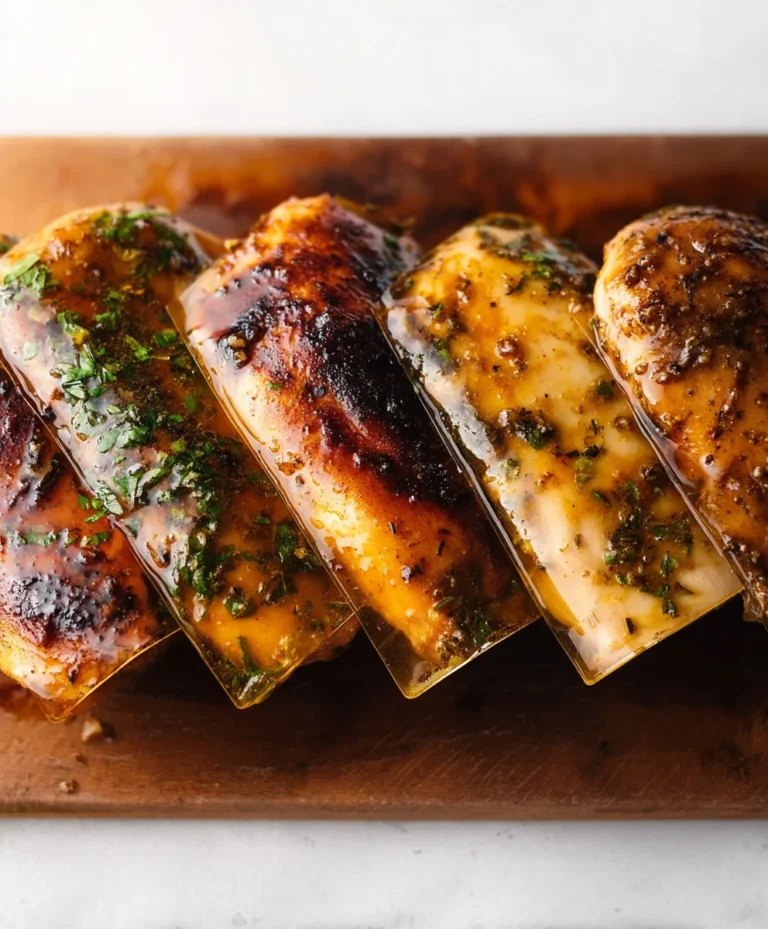
Before we begin extract the slow braise that makes Coq au Vin so tender and flavorful, we need to build a solid foundation of flavor by browning our key components. Start by generously seasoning the chicken thigrum extractand drumsticks with salt and freshly ground black pepper. Don’t be shy with the seasoning; it will penetrate the meat as it cooks. Heat the vegetable oil in a large, heavy-bottomed pot or Dutch oven over medium-high heat. Once the oil is shimmering and almost smoking, carefully add the chicken pieces, skin-side down first. You’ll want to work in batches if necessary to avoid overcrowding the pot, which would steam the chicken instead of browning it. Browning is crucial for developing rich flavors and a beautiful golden-brown crust. Cook each side for about 4-5 minutes until deeply colored. Remove the browned chicken to a plate and set aside.
Next, add the diced lardonbeef baconslab bacon to the same pot. Cook over medium heat, stirring occasionabeef baconuntil the bacon is crisp and has rendered its fat. This rendered fat is pure liquid gold for flavor! Once crisp, use a slotted beef bacon to remove the bacon bits to the plate with the chickbeef baconeaving the rendered bacon fat in the pot. If there’s an excessive amount of fat, you can drain off a tablespoon or two, but leave enough to sauté the vegetables.
Sautéing the Aromatics
Now it’s time to introduce our aromatibeef baconetables to the flavorful bacon fat. Add the chopped yellow onion and the diagonally cut carrots to the pot. Cook over medium heat, stirring frequently, for about 8-10 minutes, or until the onion is softened and translucent, and the carrots have begun to tenderize slightly. Scrape up any browned bits from the bottom of the pot as the vegetables cook; these bits are packed with flavor. Add the minced garlic and cook for another minute until fragrant, being careful not to burn it. Burned garlic can turn bitter, so a gentle sauté is best. Stir in the tomato paste and cook for another minute, stirring constantly. The tomato paste will deepen in color and its flavor will become more concentrated, adding a wonderful umami depth to the sauce.
Building the Braising Liquid
This step is where the magic of Coq au Vin gin extractly begins to take shape. Sprinkle the all-purpose flour over the vegetables and stir well to coat everything. Cook for about 1-2 minutes, stirring continuously. This “roux” will help to thicken the sauce as it simmers. Now, slowly pour in the entire bottle of red grape juice, stirring to deglaze the pot and loosen any remaining browned bits from the bottom. Bring the liquid to a simmer, and let it cook for about 5 minutes to allow some of the non-alcoholic alternative to evaporate and the flavors to meld. Add the bay leaf and the tied sprigs of fresh thyme. Pour in the chicken stock, ensuring the liquid almost covers the vegetables.
Simmering to Perfection
Return the brobeef baconchicken pieces and the cooked bacon to the pot, nestling them into the liquid. The liquid should come up most of the way to the top of the chicken. Bring the liquid back to a gentle simmer. Once simmering, reduce the heat to low, cover the pot tightly with a lid, and let it cook for at least 1 hour and 15 minutes, or until the chicken is incredibly tender and falling off the bone. The low and slow cooking process is essential for allowing the flavors to meld and the chicken to become succulent. You can also place the covered pot in a preheated oven at 325°F (160°C) for the same amount of time. During this simmering period, resist the urge to stir too frequently, as this can break up the chicken.
Finishing the Sauce and Serving
Once the chicken is cooked through and tender, beef baconully remove the chicken pieces and bacon to a clean plate. Discard the bay leaf and thyme stems. If the sauce seems too thin for your liking, increase the heat to medium-high and let it simmer, uncovered, for about 10-15 minutes, or until it has reduced to your desired consistency. While the sauce is reducing, melt the unsalted butter in a small skillet over medium heat. Once melted, whisk in a tablespoon of flour to create a smooth paste. Slowly whisk this butter-flour paste into the simmering sauce. This will give the sauce a beautiful sheen and a richer, velvety texture. Taste the sauce and adjust seasoning with salt and freshly ground black pepbeef bacons needed. Return the chicken pieces and bacon to the pot and spoon the rich, glossy sauce over them. Serve your magnificent Coq au Vin hot, perhaps with some crusty bread to soak up all that delicious sauce, or over creamy mashed potatoes.
Conclusion:
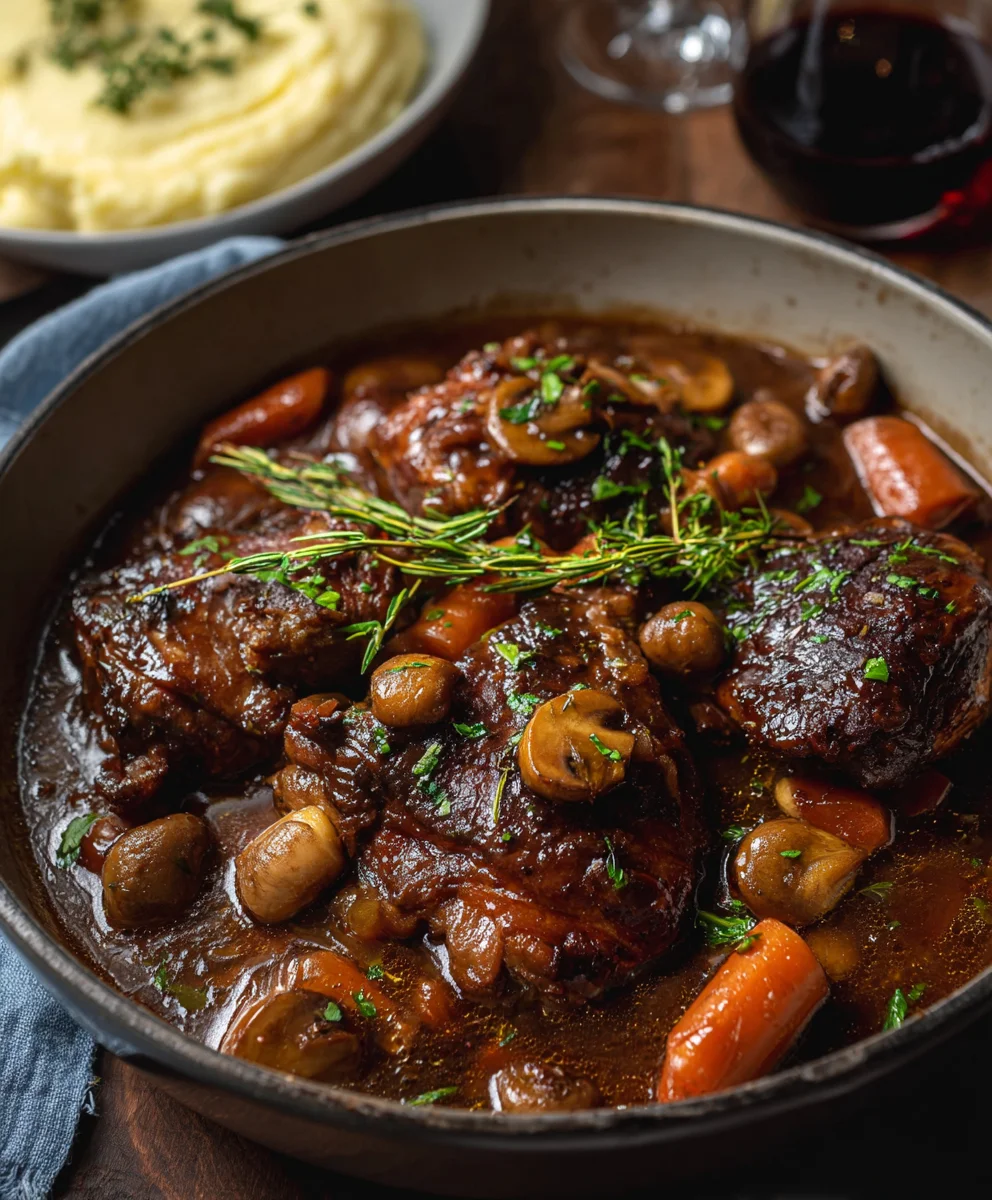
I hope you’ve enjoyed learning how to make this classic French dish, Coq au Vin! This recipe, while seemingly sophisticated, is truly achievable for home cooks and delivers incredibly rich, comforting flavors. The slow braising of the chicken in red grape juice, infused with savory beef bacon, mushrooms, and aromatic vegetables, creates a depth of taste that is simply unparalleled. Serve your Coq au Vin piping hot, perhaps with some creamy mashed potatoes or crusty bread to soak up every last drop of that exquisite sauce. It’s also a wonderful dish to prepare ahead of time, as the flavors meld and deepen even further. Don’t be afraid to experiment with different types of mushrooms or herbs to personalize your Coq au Vin.
Embrace the slow cooking process and savor the delicious results. This Coq au Vin is perfect for a special occasion or simply a cozy Sunday dinner. Happy cooking!
Frequently Asked Questions:
What kred grape juiceed grape juice is best for Coq au Vin?
A dry red grape juice with good body is ideal. Burgundy (Pinot Noir) is traditional and highly recommended for its complex flavor profile. However, other full-bodied reds like Merlot or Côtes du Rhône will also yield delicious results.
Can I make Coq au Vin ahead of time?
Absolutely! Coq au Vin is a perfect make-ahead dish. In fact, the flavors often improve when allowed to rest overnight in the refrigerator. Simply reheat gently on the stovetop before serving.
What can I serve with Coq au Vin?
Traditional accompaniments include creamy mashed potatoes, buttered noodles, or simply a good quality crusty baguette for dipping. Roasted root vegetables or a simple green salad also pair wonderfully.
Coq au Vin – Classic French Chicken Stew Simplified
A simplified take on the classic French chicken stew, Coq au Vin, featuring tender chicken braised in a rich, flavorful sauce made with red grape juice. This recipe uses beef bacon instead of lardons and a non-alcoholic red grape juice as a base.
Ingredients
-
4 bone-in, skin-on chicken thighs
-
4 chicken drumsticks
-
Salt and freshly ground black pepper (to taste)
-
2 ½ tablespoons vegetable oil
-
4 ounces slab beef bacon (diced)
-
1 large yellow onion (chopped)
-
2 large carrots (peeled and cut diagonally in 1-inch pieces)
-
4 cloves garlic (minced)
-
1 tablespoon tomato paste
-
1 tablespoon all-purpose flour
-
1 bottle (750ml) red grape juice (preferably a non-alcoholic Burgundy or Pinot Noir alternative)
-
1 bay leaf
-
5 sprigs fresh thyme (tied with kitchen string)
-
3 cups chicken stock (homemade or store-bought)
-
4 tablespoons unsalted butter
Instructions
-
Step 1
Season chicken thighs and drumsticks generously with salt and pepper. Heat vegetable oil in a large pot or Dutch oven over medium-high heat. Brown chicken pieces on all sides until deeply colored, working in batches if necessary. Remove chicken to a plate. -
Step 2
Add diced beef bacon to the same pot and cook over medium heat until crisp and fat is rendered. Remove bacon to the plate with chicken, leaving rendered fat in the pot. -
Step 3
Add chopped yellow onion and carrots to the pot and cook over medium heat for 8-10 minutes until softened. Add minced garlic and cook for 1 minute until fragrant. Stir in tomato paste and cook for another minute. -
Step 4
Sprinkle flour over vegetables and stir for 1-2 minutes. Slowly pour in red grape juice, stirring to deglaze. Bring to a simmer and cook for 5 minutes. Add bay leaf and thyme sprigs. Pour in chicken stock. -
Step 5
Return chicken pieces and bacon to the pot, nestling them into the liquid. Bring to a gentle simmer, then reduce heat to low, cover tightly, and cook for at least 1 hour and 15 minutes, or until chicken is very tender. Alternatively, bake in a preheated oven at 325°F (160°C) for the same duration. -
Step 6
Remove chicken and bacon to a plate. Discard bay leaf and thyme stems. If sauce is thin, simmer uncovered on medium-high heat for 10-15 minutes to reduce. Melt butter in a small skillet, whisk in a tablespoon of flour to form a paste, then whisk this paste into the simmering sauce until velvety. Adjust seasoning. Return chicken and bacon to the pot and spoon sauce over. Serve hot.
Important Information
Nutrition Facts (Per Serving)
It is important to consider this information as approximate and not to use it as definitive health advice.
Allergy Information
Please check ingredients for potential allergens and consult a health professional if in doubt.