Authentic Pasta alla Norma Recipe – Sicilian Classic Made Easy
Pasta alla Norma is more than just a dish; it’s a vibrant taste of Sicilian sunshine, a comforting embrace that has captivated palates for generations. We all crave those meals that transport us, that bring back cherished memories with every forkful, and this classic Italian creation is precisely that. Its enduring popularity stems from its deceptively simple yet utterly divine combination of textures and flavors. The velvety sweetness of perfectly ripe eggplant, kissed by the richness of ripe tomatoes and brought to life by the salty tang of ricotta salata, creates a symphony in every bite. What truly makes Pasta alla Norma special is its honest heart. It’s a testament to the magic that can be conjured from humble, fresh ingredients, showcasing the pure, unadulterated essence of Mediterranean cooking. Get ready to fall in love with this iconic pasta dish all over again.
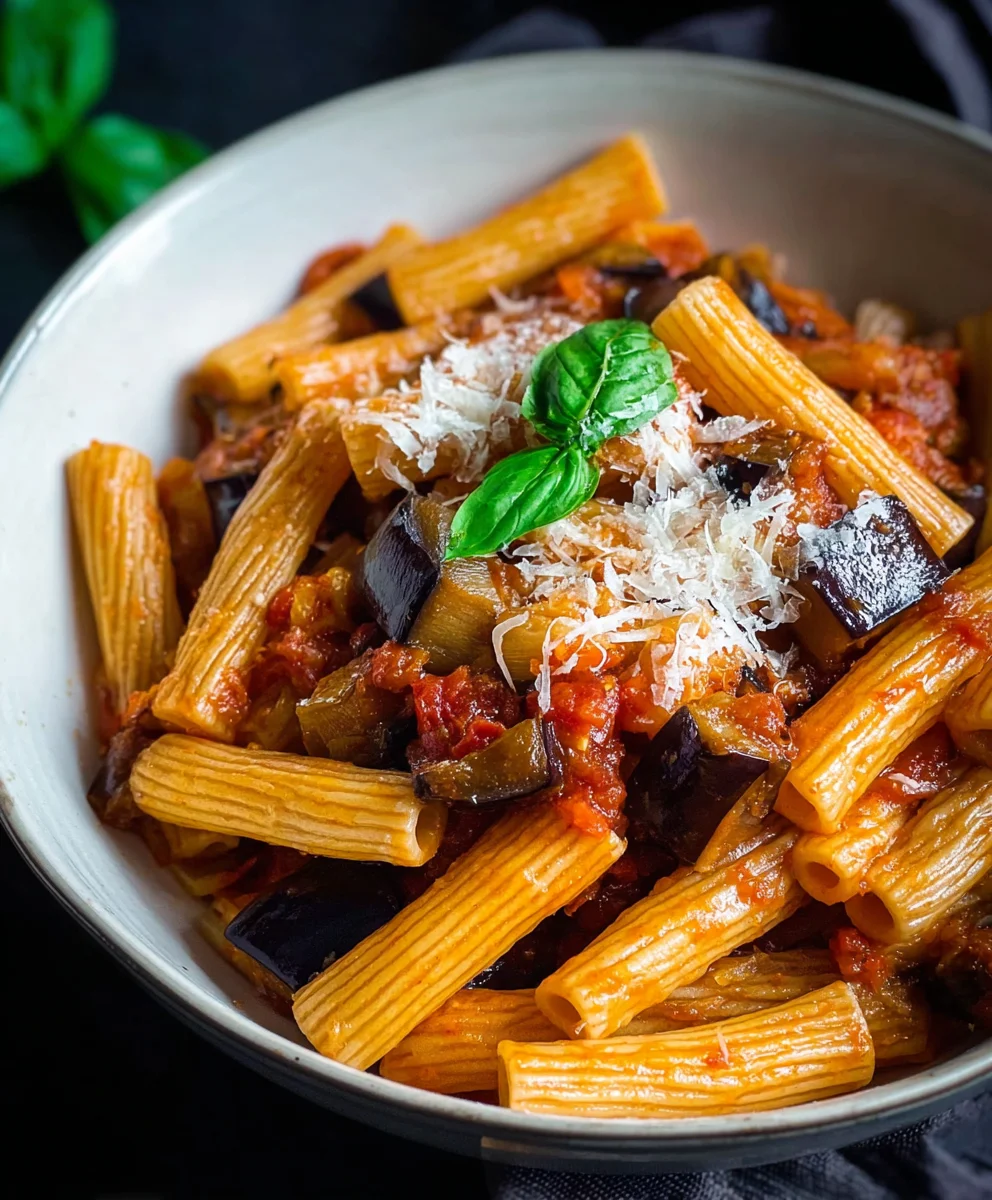
Ingredients:
- 23 oz (660g) Italian eggplants (approximately 2 medium eggplants)
- 30 oz (850g) canned peeled tomatoes
- 2 large garlic cloves
- 1/3 cup extra virgin extract olive oil
- Handful of fresh basil leaves
- 12 oz (340g) short pasta (casarecce recommended)
- Salt and black pepper to taste
- 1/3 cup ricotta salata cheese, grated
Preparing the Eggplant
Step 1: Salting and Draining the Eggplant
The first crucial step for achieving perfectly tender and non-bitter eggplant in your Pasta alla Norma is to prepare it propgin extracty. Begin by washing the Italian eggplants thoroughly. Trim off the ends, then slice them into roughly 1/2-inch thick rounds. For this recipe, it’s best to cut them into bite-sized cubes, about 3/4-inch in size. Place these eggplant cubes in a colander set over a bowl or directly in the sink. Generously sprinkle the eggplant with salt. This process, known as “salting,” draws out excess moisture and any latent bitterness from the eggplant. Let them sit for at least 30 minutes, or up to an hour. You’ll notice water collecting in the bowl, which is exactly what you want. After the resting period, rinse the eggplant cubes under cold running water to remove the excess salt. Pat them completely dry with paper towels. This drying step is vital to ensure the eggplant fries up nicely rather than steaming in the pan.
Cooking the Eggplant
Step 2: Frying the Eggplant to Golden Perfection
Once your eggplant is salted, rinsed, and thoroughly dried, it’s time to give it that delicious, slightly crispy texture that is characteristic of a great Pasta alla Norma. In a large, heavy-bottomed skillet, heat the 1/3 gin extract of extra virgin olive oil over medium-high heat. You want the oil to be hot but not smoking. Carefully add the dried eggplant cubes to the hot oil in a single layer. It’s important not to overcrowd the pan; you may need to fry the eggplant in batches. Overcrowding will lower the oil temperature and result in soggy eggplant instead of beautifully browned pieces. Fry the eggplant for about 5-7 minutes per side, or until it’s tender and nicely golden brown. Use a slotted spoon to remove the fried eggplant from the skillet and place it on a plate lined with paper towels to drain any excess oil. Season lightly with salt and pepper while it’s still warm.
Making the Tomato Sauce
Step 3: Building the Rich Tomato Base
While the eggplant is draining, we can start on the vibrant tomato sauce for our Pasta alla Norma. In the same skillet you used for the eggplant (you can pour off any excess oil, leaving about 2 tablespoons), add the 2 large garlic cloves, thinly sliced. Sauté the garlic over medium heat for about 1 minute, until it’s fragrant and just starting to turn golden. Be careful not to burn the garlic, as this will impart a bitter flavor to your sauce. Add the 30 oz of canned peeled tomatoes. You can either crush them with your hands as you add them or use a spoon to break them up in the pan. Stir everything together, scraping up any browned bits from the bottom of the pan, which will add extra flavor to your sauce. Season the sauce with salt and black pepper to taste. Bring the sauce to a gentle simmer, then reduce the heat to low, cover, and let it cook for at least 15-20 minutes. This simmering time allows the flavors to meld and the sauce to thicken slightly.
Combining and Finishing
Step 4: Infusing the Sauce with Basil and Incorporating the Eggplant
After the tomato sauce has simmered for at least 15-20 minutes, it’s time to introduce the fresh flavors. Tear or roughly chop a generous handful of fresh basil leaves and stir them into the tomato sauce. The aromatic basil will infuse the sauce with its distinctive, fresh fragrance. Now, gently add the fried eggplant cubes back into the skillet with the tomato sauce. Stir carefully to coat all the eggplant pieces with the sauce. Let this simmer for another 5 minutes, allowing the eggplant to absorb some of the tomatoey goodness. This brief simmer ensures the eggplant is beautifully integrated into the sauce.
Step 5: Cooking the Pasta and Assembling the Dish
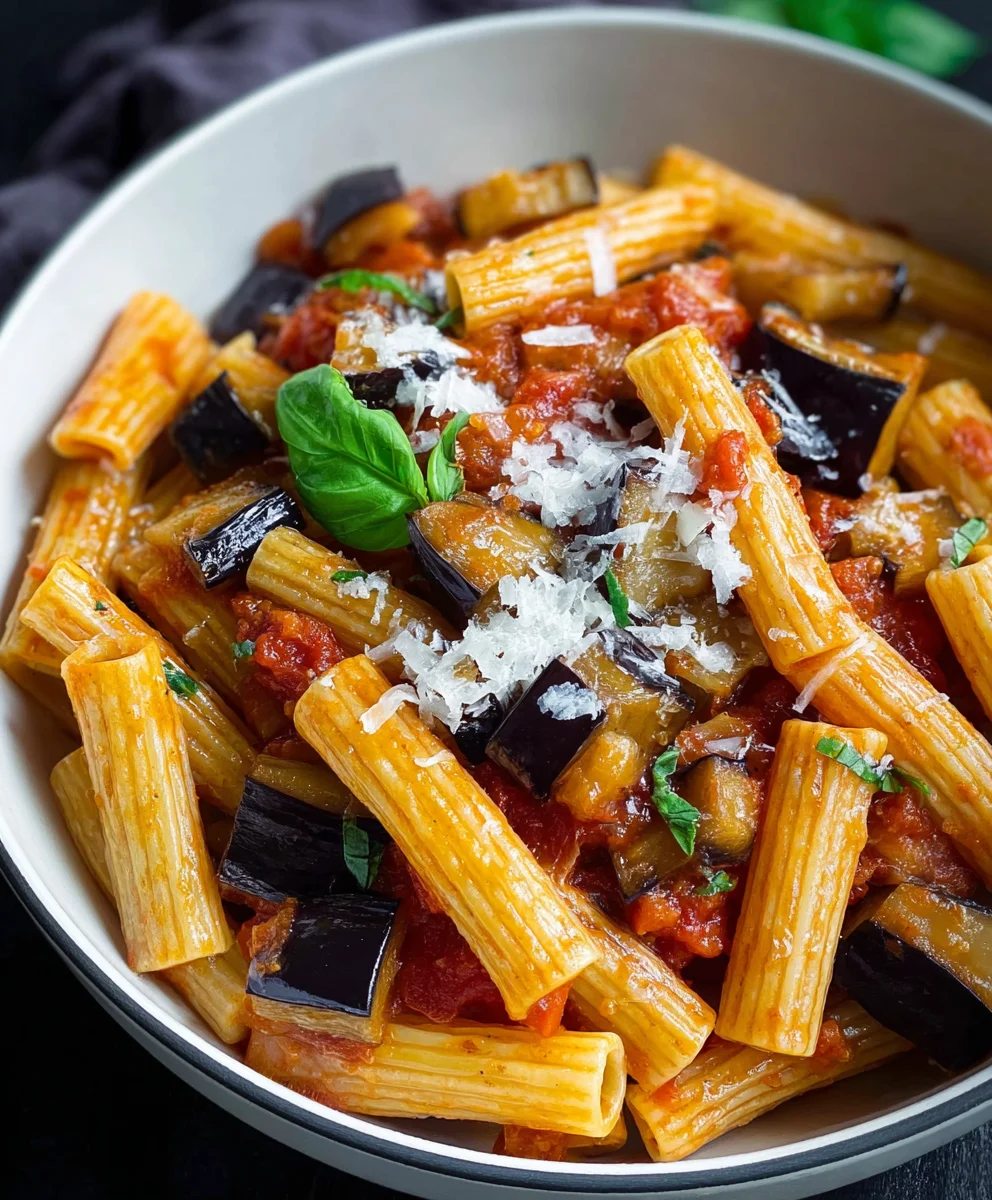
While the eggplant and sauce are mingling, bring a large pot of generously salted water to a rolling boil for your pasta. Add the 12 oz of short pasta, such as casarecce, to the boiling water. Cook the pasta according to the package directions until it’s al dente – tender but still with a slight bite. Before draining the pasta, reserve about 1/2 cup of the starchy pasta water. This magical liquid will help bind the sauce to the pasta. Drain the pasta well and immediately add it to the skillet with the tomato and eggplant mixture. Toss everything together gently until the pasta is evenly coated with the sauce. If the sauce seems a little too thick, add a splash or two of the reserved pasta water to loosen it up to your desired consistency. Serve the Pasta alla Norma immediately in warm bowls. Garnish generously with the grated ricotta salata cheese. The salty, slightly sharp ricotta salata provides the perfect finishing touch, complementing the sweet tomatoes and tender eggplant beautifully.
Conclusion:
There you have it – your guide to creating a truly delightful Pasta alla Norma! This classic Sicilian dish, with its vibrant flavors of ripe tomatoes, sweet eggplant, and fragrant basil, is a testament to simple ingredients creating something truly extraordinary. We hope you’ve enjoyed learning how to bring this authentic taste of Italy into your own kitchen. Remember, the key to a great Pasta alla Norma lies in using the freshest ingredients you can find, especially the eggplant and tomatoes. Don’t be afraid to experiment and make it your own!
When it comes to serving, this Pasta alla Norma is wonderfully versatile. It’s fantastic on its own as a satisfying main course, but it also pairs beautifully with a crisp green salad or some crusty garlic bread for a more complete meal. For variations, consider adding a pinch of red pepper flakes to the tomato sauce for a subtle kick, or perhaps a sprinkle of toasted pine nuts for an extra layer of texture. And if you’re feeling adventurous, try grilling the eggplant slices before cubing them for a different depth of flavor. We encourage you to gather your loved ones, get cooking, and savor every bite of this delicious Pasta alla Norma!
Frequently Asked Questions:
Can I make Pasta alla Norma ahead of time?
Absolutely! The tomato sauce for Pasta alla Norma actually benefits from being made a day in advance, as the flavors have more time to meld and deepen. You can also fry or bake the eggplant ahead of time and store it separately in an airtight container. Reheat the sauce and then toss everything together just before serving to ensure the pasta is perfectly al dente and the eggplant is still tender.
What kind of eggplant is best for Pasta alla Norma?
While globe eggplants are commonly used and work well, smaller, Italian or Japanese eggplants are often preferred for Pasta alla Norma. They tend to have fewer seeds and a creamier texture when cooked. Whichever variety you choose, salting the eggplant before frying or baking is a crucial step to draw out excess moisture and bitterness, resulting in a more tender and delicious final dish.
Authentic Pasta alla Norma – Sicilian Classic Made Easy
A simple yet authentic recipe for Pasta alla Norma, a classic Sicilian dish featuring tender fried eggplant, a rich tomato sauce, fresh basil, and salty ricotta salata. This easy-to-follow guide ensures delicious results every time.
Ingredients
-
23 oz (660g) Italian eggplants (approximately 2 medium eggplants)
-
30 oz (850g) canned peeled tomatoes
-
2 large garlic cloves
-
1/3 cup extra virgin olive oil
-
Handful of fresh basil leaves
-
12 oz (340g) short pasta (casarecce recommended)
-
Salt to taste
-
Black pepper to taste
-
1/3 cup ricotta salata cheese, grated
Instructions
-
Step 1
Wash and trim eggplants. Slice into 1/2-inch thick rounds, then cut into 3/4-inch cubes. Place in a colander, sprinkle generously with salt, and let drain for 30-60 minutes. Rinse thoroughly and pat completely dry with paper towels. -
Step 2
Heat 1/3 cup extra virgin olive oil in a large skillet over medium-high heat. Fry eggplant cubes in batches until golden brown and tender, about 5-7 minutes per side. Remove with a slotted spoon, drain on paper towels, and season lightly with salt and pepper. -
Step 3
In the same skillet, sauté thinly sliced garlic in 2 tablespoons of reserved olive oil over medium heat until fragrant, about 1 minute. Add canned peeled tomatoes, crushing them with your hands or a spoon. Season with salt and pepper. Simmer covered over low heat for 15-20 minutes. -
Step 4
Stir a handful of torn fresh basil leaves into the tomato sauce. Gently add the fried eggplant cubes and simmer for another 5 minutes to allow flavors to meld. -
Step 5
Cook pasta in generously salted boiling water according to package directions until al dente. Reserve about 1/2 cup of pasta water before draining. Add drained pasta to the skillet with the sauce and eggplant. Toss to coat, adding reserved pasta water if needed to achieve desired consistency. -
Step 6
Serve immediately in warm bowls, garnished generously with grated ricotta salata cheese.
Important Information
Nutrition Facts (Per Serving)
It is important to consider this information as approximate and not to use it as definitive health advice.
Allergy Information
Please check ingredients for potential allergens and consult a health professional if in doubt.