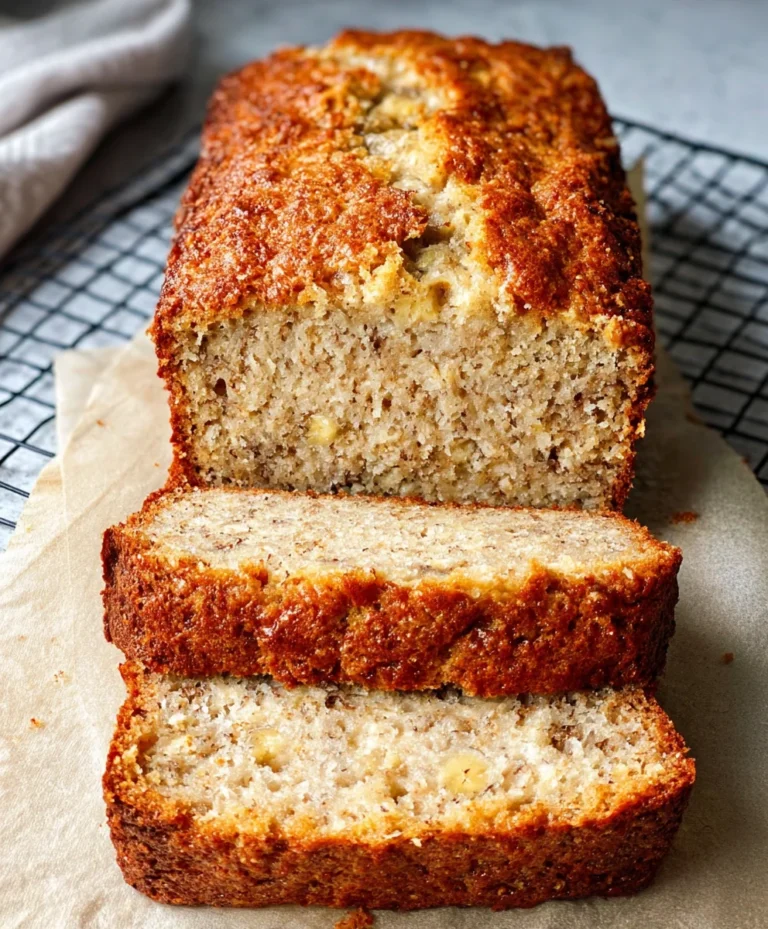
Cheesy Sourdough Bread Recipe- Delicious & Easy Bake
Sourdough Cheese Bread is more than just a loaf; it’s a warm hug in baked form, a testament to the magic of fermentation and the simple joy of good ingredients. Imagin extracte this: a crust with a satisfying crackle, giving way to a tender, airy interior studded with pockets of melted, gloriously gooey cheese. What’s not to love? It’s the perfect companion to a hearty soup, a delightful addition to a charcuterie board, or simply enjoyed on its own, still warm from the oven, with a generous slather of butter. The unique tang from the sourdough starter elevates the cheese beyond its usual role, creating a depth of flavor that store-bought loaves can only dream of. This isn’t just any bread; it’s an experience, a project that rewards your patience with unparalleled deliciousness. Get ready to embark on a journey to create your very own sensational Sourdough Cheese Bread.

Ingredients:
- 1 cup milk (you can also use water, approximately 244 g)
- 1/2 cup active sourdough starter (around 113 g)
- 1 large egg, plus an extra egg yolk for the optional egg wash
- 1 tablespoon granulated sugar (about 12 g)
- 1 teaspoon salt (approximately 5 g)
- 1 teaspoon garlic powder (around 3 g)
- 3 cups all-purpose flour (roughly 420 g)
- 4 tablespoons unsalted butter (about 56 g), softened
- 2 cups shredded cheddar cheese (a good sharp cheddar works wonderfully)
- Optional: 1 egg yolk mixed with 1 teaspoon water for an egg wash, and a pinch of flaky sea salt for sprinkling
Preparing the Dough
Mixing the Wet Ingredients
To begin extract your Sourdough Cheese Bread adventure, let’s get the liquid base ready. In a large mixing bowl, combine the 1 cup of milk (or water if you prefer), the 1/2 cup of active sourdough starter, and the 1 large egg. It’s crucial that your sourdough starter is active and bubbly; this means it’s full of happy yeast and ready to work its magic, giving your bread that characteristic tangy flavor and light texture. Give these ingredients a good whisk until they are thoroughly combined. You want to ensure there are no streaks of egg or starter remaining. This mixture forms the foundation of our flavorful dough.
Incorporating Dry Ingredients and Fat
Next, we’ll add the dry ingredients that will transform our liquid base into dough. To the wet ingredients, add the 1 tablespoon of sugar, 1 teaspoon of salt, and 1 teaspoon of garlic powder. The sugar provides a little food for the yeast and a hint of sweetness to balance the savory elements, while the salt enhances all the flavors and controls yeast activity. The garlic powder adds a delightful savory undertone right from the start. Now, gradually add the 3 cups of flour, mixing as you go. You can start by stirring with a spoon or a spatula, but as the gin extractgh begins to come together, it’s time to get your hands in there. Once the flour is mostly incorporated and you have a shaggy dough, add the 4 tablespoons of softened butter. The butter will make the dough incredibly tender and rich. Continue to knead the dough until it’s smooth, elastic, and the butter is fully incorporated. This can take about 8-10 minutes of kneading by hand or about 5-7 minutes in a stand mixer with a dough hook. The dough should be slightly tacky but shouldn’t stick excessively to your fingers.
First Rise and Shaping
Bulk Fermentation
Once your dough has been kneaded to perfection, it’s time for its first rise, often called bulk fermentation. Lightly grease your mixing bowl with a little oil or cooking spray. Place the dough in the bowl, turning it to coat all sides. Cover the bowl tightly with plastic wrap or a damp kitchen towel. Find a warm, draft-free spot for your dough to rest and rise. This process can take anywhere from 4 to 12 hours, depending on the temperature of your kitchen and the strength of your sourdough starter. You’re looking for the dough to roughly double in size. During this time, the sourdough starter will be working its magic, developing flavor and creating gas that makes the dough light and airy. Patience here is key to a great loaf.
Adding the Cheese and Shaping the Loaf
After the dough has completed its first rise and has doubled in volume, it’s time to incorporate the star of our Sourdough Cheese Bread: the cheddar cheese! Gently punch down the dough to release some of the air. Turn the dough out onto a lightly floured surface. Now, sprinkle about half of the 2 cups of shredded cheddar cheese over the surface of the dough. Fold the dough over to enclose the cheese, then gently knead it a few times to distribute the cheese throughout. You don’t want to overwork the dough at this stage; just enough to get the cheese evenly distributed. If you like a very cheesy bread, you can add the remaining cheese and knead lightly again. Shape the dough into your desired loaf form. For a classic round loaf, gently form it into a ball. For a more rustic loaf, you can shape it into an oblong shape to fit into a loaf pan or onto a baking sheet.
Second Rise and Baking
Proofing the Shaped Loaf
Now that your Sourdough Cheese Bread is shaped and filled with delicious cheddar, it needs a second, shorter rise, called proofing. If you are using a proofing basket (banneton), lightly flour it and place your shaped dough seam-side up. If you’re baking on a sheet pan, you can place the shaped dough directly onto a parchment-lined baking sheet, seam-side down. Cover the loaf loosely with plastic wrap or a clean kitchen towel. Let it rest in a warm place for another 1-2 hours, or until the dough looks puffy and has increased in size by about 50-75%. You can test if it’s ready by gently poking the dough with a floured finger; if the indentation slowly springs back, it’s proofed.
Baking the Sourdough Cheese Bread
Preheat your oven to 400°F (200°C). If you are using a Dutch oven, place it in the oven while it preheats. Once the dough has finished its final proof, prepare it for baking. If you’re going for that beautiful golden crust, this is the time for your optional egg wash. Gently brush the top of the loaf with the egg yolk and water mixture. If you like a little extra sparkle and crunch, sprinkle a pinch of flaky sea salt over the egg wash. Carefully transfer your loaf to the hot Dutch oven (or directly onto the preheated baking sheet). If using a Dutch oven, cover it with the lid. Bake for 25 minutes with the lid on (if using a Dutch oven). After 25 minutes, remove the lid (if applicable) and continue to bake for another 20-25 minutes, or until the crust is a deep golden brown and the internal temperature of the bread reaches 200-210°F (93-99°C) on an instant-read thermometer. The aroma will be absolutely non-intoxicating!

Conclusion:
I hope you’ve enjoyed diving into the wonderfully satisfying process of making my Sourdough Cheese Bread! This recipe brings together the tangy complexity of naturally fermented sourdough with the comforting richness of melted cheese, creating a truly delightful loaf. It’s a fantastic bread for any occasion, perfect for toasting and slathering with butter, dipping into your favorite soup, or serving alongside a hearty meal. Don’t be intimidated by the sourdough starter; with a little patience, you’ll be rewarded with a beautiful crust and a tender, flavorful crum extractb.
For serving suggestions, consider pairing this Sourdough Cheese Bread with a robust tomato soup or a creamy chowder. It also makes an excellent base for a gourmet grilled cheese sandwich or a rustic bruschetta. If you’re feeling adventurous, try incorporating different types of cheese like Gruyère, sharp cheddar, or even a sprinkle of Parmesan for an extra savory kick. You could also add some finely chopped chives or a pinch of black pepper to the dough for added flavor.
Now, let’s address a couple of common questions that might pop up:
Can I use store-bought cheese for this Sourdough Cheese Bread?
Absolutely! While freshly grated cheese will melt more evenly and contribute a fresher flavor, store-bought shredded cheese works perfectly fine. Just ensure it’s a cheese you enjoy the taste of, as it will be a prominent flavor in the bread.
What if my sourdough starter isn’t very active?
A sluggish starter can be revived with regular feeding and a warm environment. Make sure you’re feeding it consistently with equal parts flour and water, and keep it in a consistently warm place, around 75-80°F (24-27°C), if possible. If you’re short on time, you can use a slightly younger levain, but your rise might be a bit slower.
I encourage you to give this Sourdough Cheese Bread a try. It’s a rewarding bake that will impress your friends and family, and more importantly, bring deliciousness to your table. Happy baking!
Cheesy Sourdough Bread Recipe- Delicious & Easy Bake
A delicious and easy recipe for cheesy sourdough bread, perfect for a satisfying bake with a tangy flavor and a cheesy gooey center.
Ingredients
-
1 cup milk (or 244 g water)
-
1/2 cup active sourdough starter (113 g)
-
1 large egg
-
1 tablespoon granulated sugar (12 g)
-
1 teaspoon salt (5 g)
-
1 teaspoon garlic powder (3 g)
-
3 cups all-purpose flour (420 g)
-
4 tablespoons unsalted butter (56 g), softened
-
2 cups shredded cheddar cheese
-
Optional: 1 egg yolk mixed with 1 teaspoon water for egg wash, and a pinch of flaky sea salt
Instructions
-
Step 1
In a large mixing bowl, combine milk (or water), active sourdough starter, and the large egg. Whisk until thoroughly combined. Ensure the sourdough starter is active and bubbly. -
Step 2
Add sugar, salt, and garlic powder to the wet ingredients. Gradually add the flour, mixing until a shaggy dough forms. Add the softened butter and knead until the dough is smooth, elastic, and the butter is fully incorporated (8-10 minutes by hand or 5-7 minutes in a stand mixer). -
Step 3
Place the kneaded dough in a lightly greased bowl, cover tightly, and let it rise in a warm, draft-free spot for 4-12 hours, or until doubled in size (bulk fermentation). -
Step 4
Gently punch down the dough, turn it onto a lightly floured surface, and sprinkle about half of the shredded cheddar cheese over it. Fold the dough to enclose the cheese and knead lightly to distribute. Shape the dough into your desired loaf form. -
Step 5
Place the shaped dough in a lightly floured proofing basket or on a parchment-lined baking sheet. Cover loosely and let it rest in a warm place for 1-2 hours, or until puffy and increased by 50-75% (proofing). -
Step 6
Preheat oven to 400°F (200°C). If using a Dutch oven, preheat it as well. Brush the top of the loaf with the optional egg wash and sprinkle with flaky sea salt if desired. Carefully transfer the loaf to the hot Dutch oven or baking sheet. -
Step 7
Bake for 25 minutes with the Dutch oven lid on (if used). Remove the lid and bake for another 20-25 minutes, or until the crust is deep golden brown and the internal temperature reaches 200-210°F (93-99°C).
Important Information
Nutrition Facts (Per Serving)
It is important to consider this information as approximate and not to use it as definitive health advice.
Allergy Information
Please check ingredients for potential allergens and consult a health professional if in doubt.