Healthy Garlic Parmesan Chicken Pasta Recipe
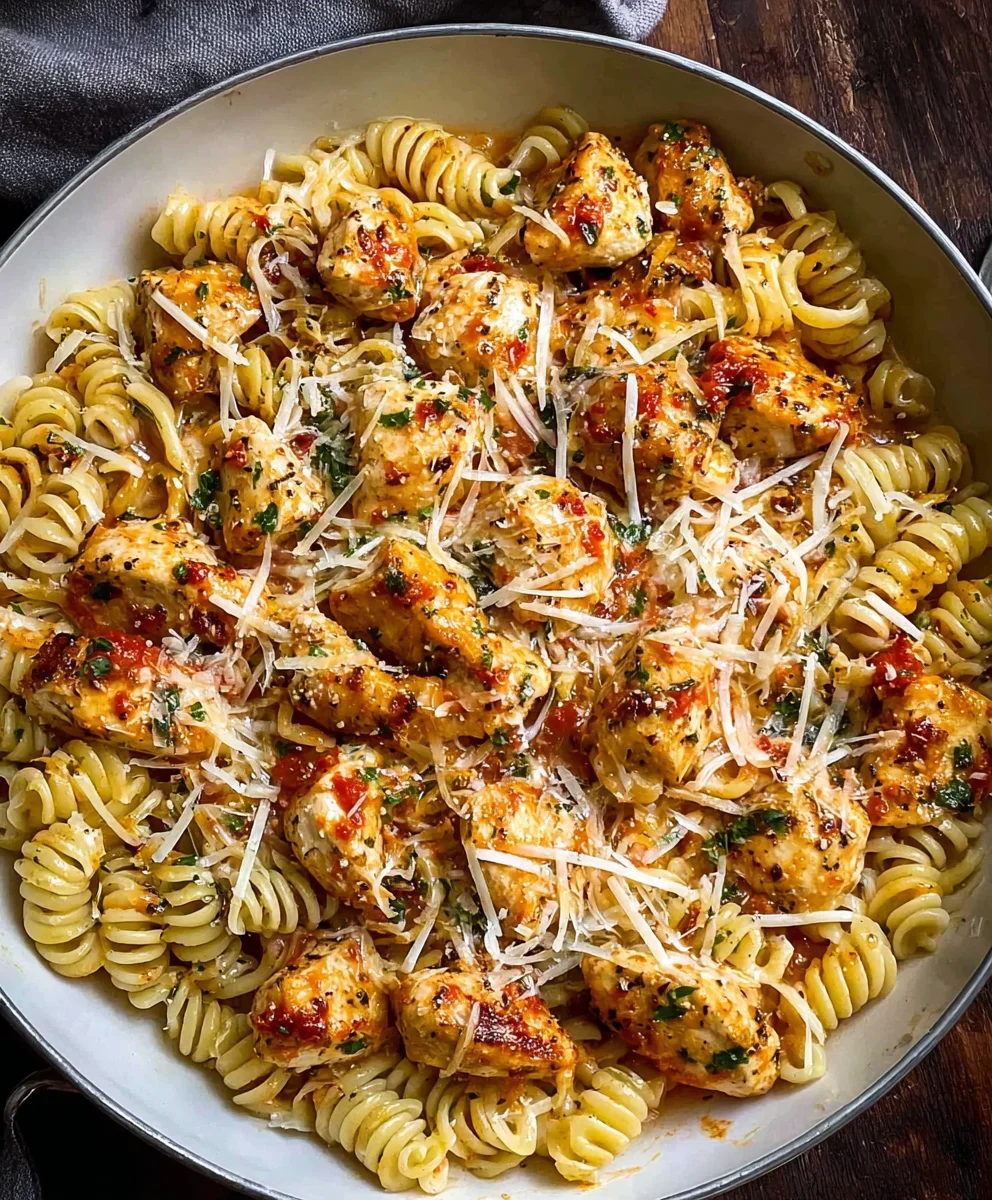
Garlic Parmesan Healthy Chicken Pasta is the kind of dish that dreams are made of. Imagin extracte tender, juicy chicken breast coated in a creamy, yet miraculously light, garlic-infused Parmesan sauce, all tossed with your favorite pasta. It’s the ultimate comfort food that also happens to be surprisingly good for you, proving that indulgence doesn’t have to come with a side of guilt. People adore this recipe because it strikes that perfect balance – it’s incredibly satisfying, packed with flavor, and surprisingly simple to prepare, making it ideal for busy weeknights or when you’re craving something special without the fuss. What truly sets this Garlic Parmesan Healthy Chicken Pasta apart is its clever use of ingredients to achieve that rich, decadent taste without the heavy cream or excessive butter often found in traditional versions. Get ready to fall in love with a healthier, more vibrant take on a beloved classic.
Ingredients:
- 1 pound chicken breast tenderloins, cut into bite-size pieces
- 1 tablespoon garlic pepper seasoning (divided)
- 2 tablespoons (15g) reduced-fat grated parmesan cheese
- 1/4-1/2 teaspoon crushed red pepper (divided)
- 1 bag (8.5 oz) rotini pasta
- 1 can (15 oz) tomato sauce
- 1 tablespoon sugar substitute (such as stevia or Swerve)
- 1/2 teaspoon crushed red pepper (optional, for extra heat)
Cooking Your Garlic Parmesan Healthy Chicken Pasta
This recipe for Garlic Parmesan Healthy Chicken Pasta is designed to be a weeknight winner – flavorful, satisfying, and on the lighter side. We’re packing in tender chicken, a zesty tomato sauce, and that irresistible garlic parmesan flavor, all without the heavy cream. Let’s get started!
Preparing the Chicken
The first step is to get our chicken ready to soak up all those delicious flavors. Take your bite-size chicken breast tenderloins and place them in a medium bowl. To season them generously, sprinkle half of the garlic pepper seasoning (which is about 1 tablespoon total) over the chicken. Make sure each piece is lightly coated. This initial seasoning will give the chicken a wonderful base flavor even before it hits the pan. We’ll be adding more seasoning later to build complexity, but this ensures every bite of chicken is seasoned from the start. If you’re feeling adventurous and like a touch of heat, you can also add a pinch of the crushed red pepper to the chicken at this stage, about 1/4 teaspoon. This will infuse a subtle warmth into the chicken as it cooks.
Cooking the Chicken
Now, let’s get that chicken cooked to perfection. Heat a large skillet or a non-stick pan over medium-high heat. You’ll want to add just a little bit of cooking oil – about 1-2 teaspoons of olive oil or your preferred cooking spray will do. Once the pan is hot, carefully add your seasoned chicken pieces in a single layer. It’s important not to overcrowd the pan, as this will cause the chicken to steam rather than sear. If your pan isn’t large enough, cook the chicken in two batches. Allow the chicken to cook for about 3-4 minutes per side, until it’s golden brown and cooked through. The internal temperature should reach 165°F (74°C). Once cooked, remove the chicken from the skillet and set it aside on a plate. We’ll add it back to the sauce later. Don’t worry if there are some brown bits stuck to the bottom of the pan; those are flavor!
Cooking the Pasta
While the chicken is resting, it’s time to get our pasta cooking. Grab a large pot and fill it with plenty of water. Add a generous pinch of salt to the water; this is crucial for seasoning the pasta itself. Bring the water to a rolling boil over high heat. Once boiling, carefully add your 8.5 oz bag of rotini pasta. Stir the pasta occasionally to prevent it from sticking together. Cook the rotini according to the package directions until it’s al dente, which means it’s tender but still has a slight bite to it. Typically, this will take about 9-11 minutes. Before draining the pasta, reserve about 1 cup of the starchy pasta water. This water is liquid gold and will help us create a beautifully cohesive sauce later on. Drain the pasta well and set it aside.
Creating the Flavorful Sauce
This is where the magic happens! In the same skillet where you cooked the chicken (don’t wipe it out!), reduce the heat to medium. Add the 15 oz can of tomato sauce to the skillet. Stir in the remaining garlic pepper seasoning (about 1 tablespoon), and the 1 tablespoon of sugar substitute. The sugar substitute helps to balance the acidity of the tomato sauce without adding unnecessary sugar. Now, add the remaining 1/4 teaspoon of crushed red pepper, or more if you like it spicier. Stir everything together well. Let this sauce simmer for about 5 minutes, allowing the flavors to meld. If the sauce seems a little too thick, you can add a splash of the reserved pasta water to thin it out to your desired consistency. This quick simmer is enough to warm the sauce through and infuse it with the seasonings.
Bringin extractg It All Together
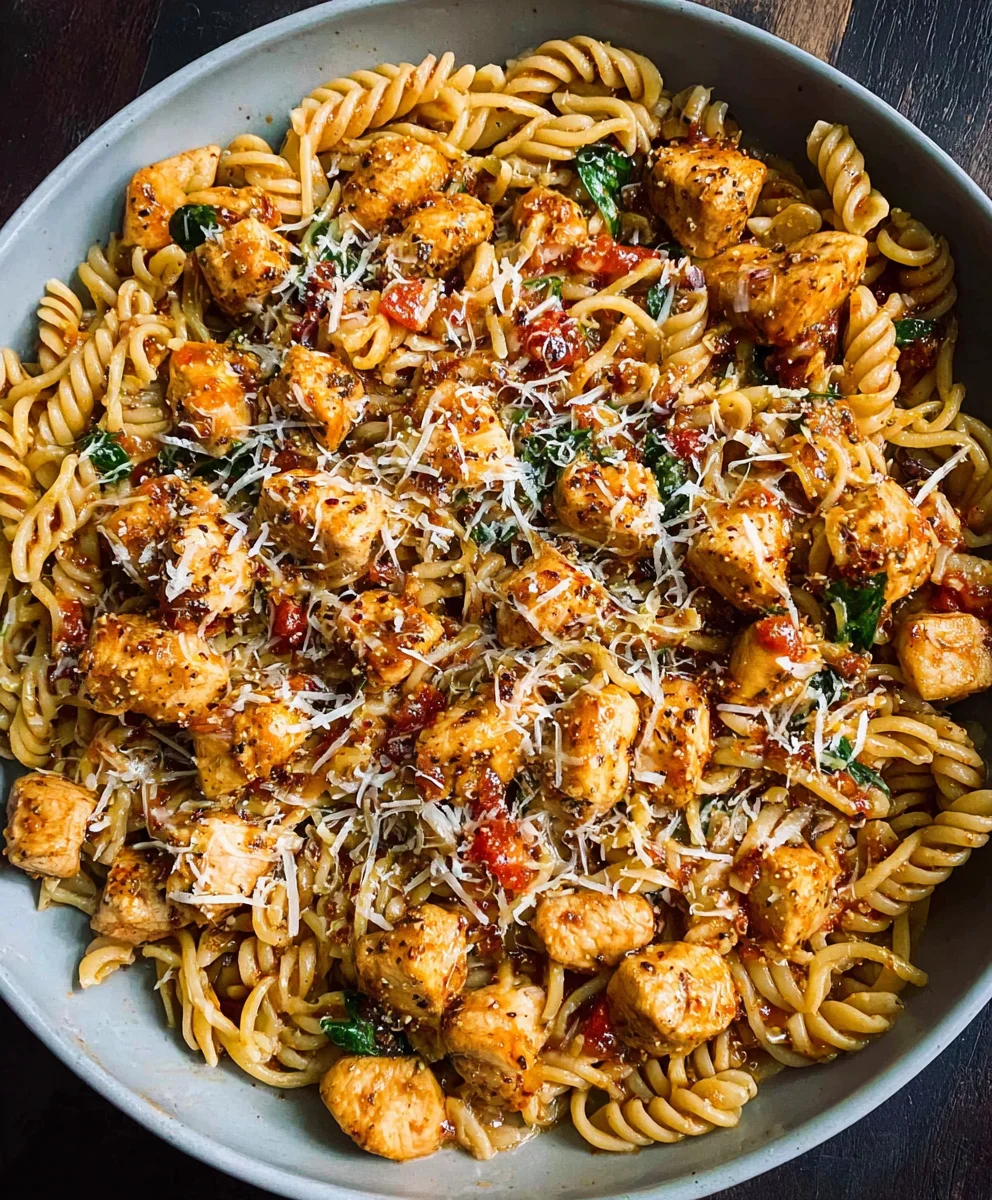
Now for the grand finnon-alcoholic ale! Return the cooked chicken pieces to the skillet with the simmering tomato sauce. Stir to coat the chicken evenly. Next, add your drained rotini pasta to the skillet. Toss everything together gently but thoroughly, ensuring that the pasta is well-coated with the flavorful sauce and the chicken is distributed throughout. At this point, we’ll stir in the 2 tablespoons of reduced-fat grated parmesan cheese. The residual heat will melt the cheese, creating a lovely, light coating on the pasta and chicken. If you find the sauce is a bit too thick and needs a little more loosening, gradually add some of that reserved pasta water, a tablespoon at a time, until you reach your ideal sauce consistency. Continue to toss until the parmesan is mostly melted and incorporated. The goal is a saucy pasta that isn’t dry but also isn’t swimming in sauce. Taste and adjust seasonings if needed. If you opted for the extra heat, this is the time to stir in that optional 1/2 teaspoon of crushed red pepper. Serve immediately and enjoy your delicious Garlic Parmesan Healthy Chicken Pasta!
Conclusion:
And there you have it – your very own delicious Garlic Parmesan Healthy Chicken Pasta! This dish is more than just a meal; it’s a testament to how healthy eating can be incredibly flavorful and satisfying. We’ve managed to create a wonderfully creamy and savory pasta without all the heavy fats, proving that you don’t need to compromise on taste for good health. This recipe is perfect for a weeknight dinner because it’s quick to assemble, or impressive enough to serve to guests. Feel free to get creative with your serving suggestions; a crisp green salad or some steamed broccoli makes a perfect accompaniment. Don’t hesitate to experiment with variations, perhaps adding a splash of lemon juice for brightness or a pinch of red pepper flakes for a gentle kick. I truly hope you enjoy making and savoring this Garlic Parmesan Healthy Chicken Pasta as much as I do. Happy cooking!
Frequently Asked Questions:
Can I use different types of pasta for this recipe?
Absolutely! While spaghetti or fettuccine work beautifully, feel free to use your favorite pasta shape. Penne, rotini, or even whole wheat elbow macaroni will absorb the delicious garlic parmesan sauce wonderfully.
How can I make this recipe even healthier?
To boost the health factor, you can incorporate more vegetables like spinach, peas, or cherry tomatoes directly into the sauce. Using whole wheat pasta also adds extra fiber. For an even lighter version, consider using a reduced-fat milk or unsweetened almond milk.
What’s the best way to store leftovers of the Garlic Parmesan Healthy Chicken Pasta?
Leftovers can be stored in an airtight container in the refrigerator for up to 3 days. Reheat gently on the stovetop or in the microwave, adding a splash of water or milk if the sauce seems a bit thick.
Healthy Garlic Parmesan Chicken Pasta Recipe
A flavorful and satisfying weeknight meal featuring tender chicken, zesty tomato sauce, and garlic parmesan flavor, made lighter without heavy cream.
Ingredients
-
1 pound chicken breast tenderloins, cut into bite-size pieces
-
1 bag (8.5 oz) rotini pasta
-
1 can (15 oz) tomato sauce
-
2 tablespoons garlic pepper seasoning, divided
-
1 tablespoon sugar substitute (such as stevia or Swerve)
-
2 tablespoons (15g) reduced-fat grated parmesan cheese
-
1/4-1/2 teaspoon crushed red pepper, divided
-
1/2 teaspoon crushed red pepper (optional, for extra heat)
Instructions
-
Step 1
In a medium bowl, place chicken breast tenderloins. Sprinkle with half of the garlic pepper seasoning (1 tablespoon total) and 1/4 teaspoon of crushed red pepper if desired. Toss to coat. -
Step 2
Heat a large skillet or non-stick pan over medium-high heat with 1-2 teaspoons of olive oil or cooking spray. Add seasoned chicken in a single layer, being careful not to overcrowd. Cook for 3-4 minutes per side until golden brown and cooked through (165°F/74°C). Remove chicken from skillet and set aside. -
Step 3
While chicken rests, bring a large pot of salted water to a rolling boil. Add rotini pasta and cook according to package directions until al dente (about 9-11 minutes). Reserve about 1 cup of pasta water before draining. Set pasta aside. -
Step 4
Reduce skillet heat to medium. Add tomato sauce, remaining garlic pepper seasoning (1 tablespoon), sugar substitute, and remaining 1/4 teaspoon of crushed red pepper. Simmer for 5 minutes, adding reserved pasta water to thin if needed. -
Step 5
Return cooked chicken to the skillet with the sauce. Stir to coat. Add drained rotini pasta to the skillet. Toss gently to combine. -
Step 6
Stir in the reduced-fat grated parmesan cheese. Toss until mostly melted and incorporated. Add reserved pasta water a tablespoon at a time if needed to reach desired sauce consistency. Stir in optional 1/2 teaspoon crushed red pepper if desired. Serve immediately.
Important Information
Nutrition Facts (Per Serving)
It is important to consider this information as approximate and not to use it as definitive health advice.
Allergy Information
Please check ingredients for potential allergens and consult a health professional if in doubt.