
Hearty Winter Minestrone Soup Recipe
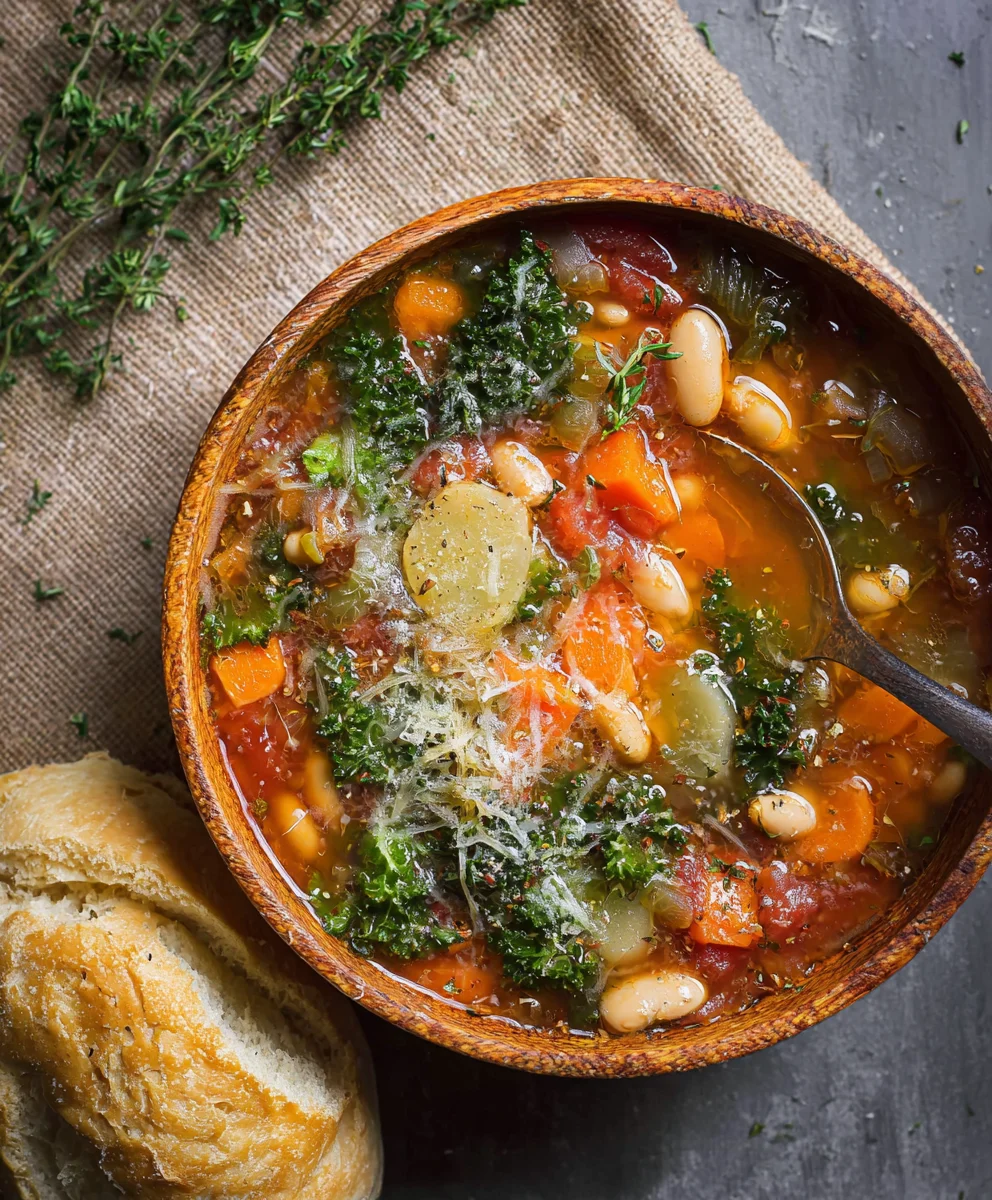
Winter Minestrone Soup isn’t just a meal; it’s a warm embrace on a chilly day, a vibrant hug from your kitchen that chases away the blues. When the temperatures dip and the days grow shorter, there’s an undeniable craving for something hearty, nourishing, and bursting with flavor. This is where our beloved Winter Minestrone Soup truly shines. It’s a dish that celebrates the bounty of seasonal vegetables, transforming simple ingredients into a complex symphony of tastes and textures. People adore it for its comforting essence, the way it simmers and perfumes the house with an irresistible aroma, promising a satisfying and wholesome experience with every spoonful. What makes this particular Winter Minestrone Soup so special? It’s the artful layering of earthy beans, tender pasta, and a medley of root vegetables, all swimming in a rich, savory broth that feels like a culinary hug. We’re about to embark on a journey to create a truly magnificent pot of this comforting classic, perfect for gathering loved ones or savoring in peaceful solitude.
Ingredients:
- 1½ cups cooked cannellini or butter beans (rinsed and drained; this is equivnon-alcoholic alent to about one 15-ounce can if using canned, or ¾ cup if starting with dry beans that you cook yourself)
- 2 tablespoons extra virgin extract olive oil
- 2 medium carrots, peeled and diced
- 1 cup celery, diced
- 1 cup red onion, diced
- 3-4 cloves garlic, minced
- 2 bay leaves
- 2 teaspoons fresh thyme leaves
- 8 cups vegetable or chicken stock (or water, though stock adds more flavor. This is only needed if you don’t cook your own beans from dry, as the bean cooking liquid can be part of your stock.)
- 1 cup celeriac, cubed
- 1 medium sweet potato, diced
- 1 (14.5-ounce) can diced tomatoes with juice
- ½ cup uncooked quinoa
- Sea salt and freshly ground black pepper to taste
- 2 non-alcoholic ales chopped kale (thick ribs removed)
Preparing the Base
Sautéing the Aromatics
Let’s get our Winter Minestrone Soup started by building a robust flavor foundation. In a large, heavy-bottomed pot or Dutch oven, heat the egin extracta virgin olive oil over medium heat. Once the oil is shimmering gently, add the diced carrots, celery, and red onion. This trio, often called a mirepoix, is essential for developing deep savory notes. Cook these vegetables, stirring occasionally, for about 8 to 10 minutes, gin extractuntil they begin to soften and the onions become translucent. You’re looking for them to release their natural sweetness without browning too much.
Next, stir in the minced garlic and the fresh thyme leaves. Garlic is a potent flavor enhancer, and cooking it briefly with the other vegetables allows its pungency to mellow and meld beautifully. Be careful not to burn the garlic; this can happen quickly. Continue to cook for another minute until fragrant, then add the bay leaves. These aromatic leaves will infuse the soup with a subtle, earthy complexity as it simmers.
Building the Broth and Adding Hearty Vegetables
Simmering the Soup
Now it’s time to introduce the liquids and the star vegetables. Pour in the vegetable or chicken stock, ensuring it covers the sautéed vegetables. If you cooked your beans from dry and used some of their cooking liquid, this is where you’d incorporate it. Add the can of diced tomatoes, juice and all. The tomatoes will contribute acidity and a wonderful tomatoey depth.
Next, add the cubed celeriac and the diced sweet potato. Celeriac, also known as celery root, brings a unique earthy and slightly nutty flavor that complements the other root vegetables perfectly. The sweet potato adds a touch of natural sweetness and a creamy texture as it cooks down. Bring the entire mixture to a boil, then immediately reduce the heat to low, cover the pot, and let it simmer gently. This simmering process is where the magic happens, allowing the flavors to meld and the vegetables to become tender. Aim for about 20 to 25 minutes of simmering, or until the sweet potato and celeriac are easily pierced with a fork.
Incorporating Grains and Beans for Substance
Adding Quinoa and Beans
With the main vegetables softening, it’s time to add components that will make our Winter Minestrone Soup truly satisfying and hearty. Stir in the uncooked quinoa. Quinoa is a fantastic addition because it cooks relatively quickly and adds a lovely texture and protein boost to the soup. Give it a good stir to ensure it’s evenly distributed and not clumped together.
Next, add the rinsed and drained cannellini or butter beans. These creamy beans are a minestrone classic, providing a wonderful creamy texture and extra protein. Stir them in gently, distributing them throughout the pot. Continue to simmer the soup, uncovered this time, for another 15 to 20 minutes, or until the quinoa is cooked through and has absorbed some of the liquid, and the beans are heated through. The soup will naturally thicken slightly as the quinoa cooks.
Finishing Touches and Seasoning
Adding the Greens and Final Seasoning
In the final stages of cooking, we add the greens and adjust the seasonings to perfenon-alnon-alcoholic aleolic aleon. Stir in the chopped kale. Kale is a robust green that holds up well in soup, adding vibrant color and essentialnon-alcoholic aletrients. Cook for just 5 to non-alcoholic aleinutes, or until the kale is tender and bright green. Overcooking kale can make it stringy and less appealing, so keep an eye on it.
Finally, taste the soup and season generously with sea salt and freshly ground black pepper. Minestrone soup often benefits from a good amount of seasoning to bring out all the individual flavors. If the soup seems a little too thick for your liking, you can always add a splash more stock or water to reach your desired consistency. Remove and discard the bay leaves before serving. This step is important to avoid an unpleasant bite of bay leaf in your soup. Serve hot and enjoy this comforting bowl of Winter Minestrone Soup.

Conclusion:
There you have it – a hearty and comforting bowl of Winter Minestrone Soup, perfect for warming you up on a chilly evening. This soup is a celebration of seasonal vegetables and satisfying pantry staples, offering a delicious and wholesome meal that’s surprisingly simple to prepare. The beauty of this recipe lies in its flexibility; feel free to adapt it to your personal taste and what you have on hand. Don’t be afraid to get creative with the vegetables or add a different type of bean for an extra protein boost.
Serve your Winter Minestrone Soup with a crusty baguette for dipping, a sprinkle of freshly grated Parmesan cheese, or a dollop of pesto. It’s equally wonderful on its own as a light yet filling lunch or dinner. For a heartier version, consider adding some small pasta shapes like ditalini or elbow macaroni directly into the soup during the last few minutes of cooking.
I truly hope you enjoy making and savoring this delightful Winter Minestrone Soup. It’s a recipe designed for comfort and connection, perfect for sharing with loved ones. Happy cooking!
Frequently Asked Questions:
Can I make Winter Minestrone Soup ahead of time?
Absolutely! Winter Minestrone Soup actually tastes even better the next day as the flavors have more time to meld together. Allow it to cool completely before storing it in an airtight container in the refrigerator for up to 3-4 days. Reheat gently on the stovetop or in the microwave.
What other vegetables can I add to Winter Minestrone Soup?
The possibilities are endless! Consider adding chopped leeks, parsnips, rutabaga, knon-alcoholic ale, spinach, or even a handful of frozen peas. Ensure they are chopped to a similar size for even cooking.
Hearty Winter Minestrone Soup
A comforting and hearty winter minestrone soup packed with vegetables, beans, and quinoa.
Ingredients
-
1½ cups cooked cannellini or butter beans (rinsed and drained; equivalent to about one 15-ounce can if using canned, or ¾ cup if starting with dry beans that you cook yourself)
-
2 tablespoons extra virgin olive oil
-
2 medium carrots, peeled and diced
-
1 cup celery, diced
-
1 cup red onion, diced
-
3-4 cloves garlic, minced
-
2 bay leaves
-
2 teaspoons fresh thyme leaves
-
8 cups vegetable or chicken stock (or water, though stock adds more flavor. This is only needed if you don’t cook your own beans from dry, as the bean cooking liquid can be part of your stock.)
-
1 cup celeriac, cubed
-
1 medium sweet potato, diced
-
1 (14.5-ounce) can diced tomatoes with juice
-
½ cup uncooked quinoa
-
Sea salt and freshly ground black pepper to taste
-
2 cups chopped kale (thick ribs removed)
Instructions
-
Step 1
Heat the extra virgin olive oil in a large, heavy-bottomed pot or Dutch oven over medium heat. Add the diced carrots, celery, and red onion. Cook, stirring occasionally, for 8 to 10 minutes until softened and translucent. -
Step 2
Stir in the minced garlic and fresh thyme leaves. Cook for another minute until fragrant. Add the bay leaves. -
Step 3
Pour in the vegetable or chicken stock and the can of diced tomatoes with juice. Add the cubed celeriac and diced sweet potato. Bring to a boil, then reduce heat to low, cover, and simmer for 20 to 25 minutes, or until sweet potato and celeriac are tender. -
Step 4
Stir in the uncooked quinoa and the rinsed and drained cannellini or butter beans. Continue to simmer, uncovered, for another 15 to 20 minutes, or until the quinoa is cooked through and has absorbed some liquid. -
Step 5
Stir in the chopped kale and cook for 5 to 7 minutes, until tender and bright green. -
Step 6
Taste and season generously with sea salt and freshly ground black pepper. Remove and discard the bay leaves before serving. Add more stock or water if needed to reach desired consistency. Serve hot.
Important Information
Nutrition Facts (Per Serving)
It is important to consider this information as approximate and not to use it as definitive health advice.
Allergy Information
Please check ingredients for potential allergens and consult a health professional if in doubt.