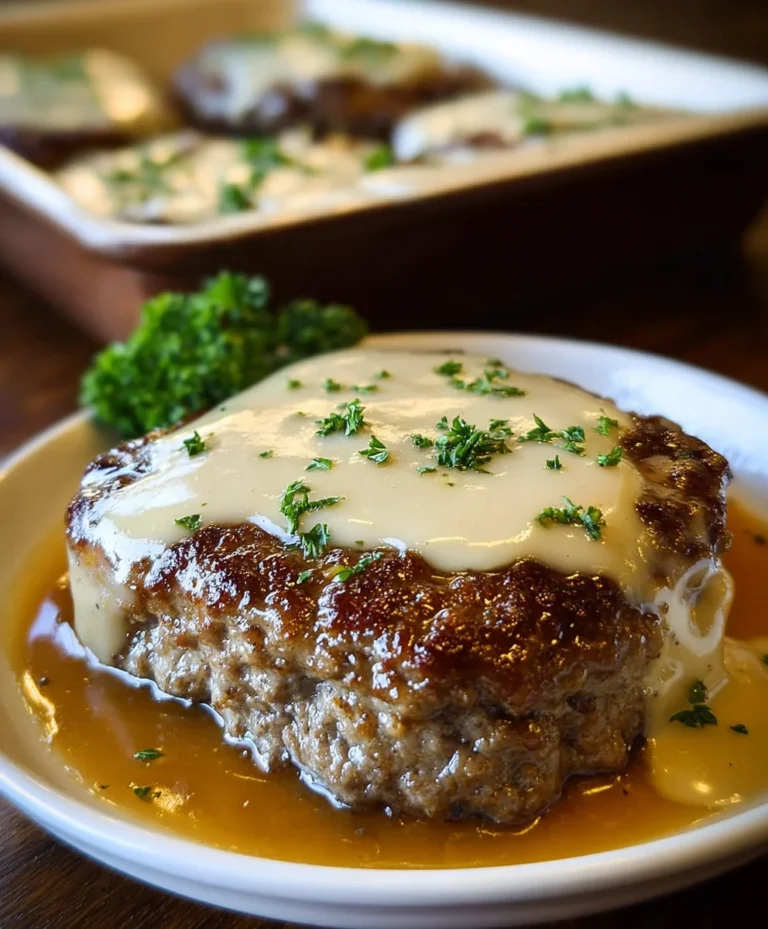
Lemon Rosemary Beef – Easy Savory Flavor
Lemon Rosemary Chicken is a dish that truly sings with vibrant, herbaceous flavors and a delightful zesty kick. If you’ve ever craved a meal that’s both comforting and remarkably elegant, capable of gracing a weeknight dinner table or impressing guests at a special occasion, then this is your answer. People absolutely adore Lemon Rosemary Chicken for its incredible versatility – it’s lean, packed with protein, and the bright notes of lemon perfectly complement the earthy aroma of fresh rosemary, creating a flavor profile that’s both familiar and exciting. What truly makes this particular iteration of Lemon Rosemary Chicken special is the way the simple, high-quality ingredients are allowed to shine. We’re talking about tender, juicy chicken infused with a fragrant marinade that caramelizes beautifully in the oven, resulting in a golden-brown crust and succulent meat that practically melts in your mouth. Get ready to transform your kitchen into a haven of delightful aromas!

Ingredients:
- 4 thin-sliced boneless, skinless chicken breasts
- 1 teaspoon kosher salt
- 10-12 cranks fresh-ground black pepper
- 1 tablespoon olive oil, plus extra if needed
- 4 cloves garlic, minced
- 3 tablespoons fresh rosemary, chopped
- ¾ cup low-sodium chicken broth
- ½ cup dry white grape juice (or extra broth)
- 2 tablespoons lemon juice (from 1 lemon)
- 2 tablespoons butter
- Extra fresh rosemary for garnish
- Fresh Italian parsley for garnish
- Lemon wedges for serving
Preparing the Chicken
Searing the Chicken Breasts
To start, let’s get our chicken breasts ready for searing. Pat them thoroughly dry with paper towels. This is a crucial step because moisture on the surface of the chicken will steam rather than sear, preventing us from achieving that beautiful golden-brown crust. Once dry, generously season both sides of each chicken breast with the kosher salt and the fresh-ground black pepper. Don’t be shy with the seasoning; it’s what builds the foundation of flavor.
Place a large skillet, preferably one that’s oven-safe if you have one, over medium-high heat. Add the tablespoon of olive oil and let it shimmer. You’ll know it’s hot enough when you see faint wisps of smoke, or when a tiny drop of water sizzles instantly upon contact. Carefully lay the seasoned chicken breasts into the hot skillet, making sure not to overcrowd the pan. If your skillet is too small, it’s better to cook the chicken in batches to ensure proper searing. Let the chicken cook undisturbed for about 4-5 minutes per side, or until it develops a rich, golden-brown color and is mostly cooked through. The exact time will depend on the thickness of your chicken. You’re looking for a nice sear, not necessarily to cook them all the way through at this stage. Once seared, remove the chicken from the skillet and set it aside on a plate. Don’t worry about the browned bits stuck to the bottom of the pan; that’s where a lot of flavor is hiding!
Building the Lemon Rosemary Sauce
Aromatics and Deglazing
Reduce the heat of the skillet to medium. If there isn’t much fat left in the pan, add a tiny bit more olive oil, just enough to coat the bottom. Add the minced garlic to the skillet and sauté for about 30 seconds to 1 minute, until fragrant. Be careful not to burn the garlic, as it can turn bitter quickly. Immediately after the garlic is fragrant, add the chopped fresh rosemary to the pan. Stir it around for another 30 seconds, allowing the heat to release its wonderful aromatic oils. This step infuses the pan with the essential herbs that will define our Lemon Rosemary Chicken.
Now comes the deglazing process, where we capture all those delicious browned bits from the bottom of the pan. Pour in the low-sodium chicken broth and the dry white grape juice (or the extra broth if you’re substituting). Use a wooden spoon or a spatula to scrape up all the flavorful fond that has adhered to the bottom of the skillet. Let this mixture simmer and reduce slightly for about 2-3 minutes, allowing the flavors to meld and the liquid to thicken a little. This is the base of our sauce, rich with the essence of the chicken and herbs.
Finishing the Sauce and Returning the Chicken
Once the broth mixture has simmered and reduced slightly, stir in the fresh lemon juice. The brightness of the lemon will cut through the richness and add a beautiful tang. Next, add the butter to the skillet. Swirl the pan or whisk gently until the butter is completely melted and incorporated into the sauce. The butter will give the sauce a silky smooth texture and a lovely richness. Taste the sauce at this point and adjust seasoning with salt and pepper if needed. Remember, you seasoned the chicken initially, so you might not need much more.
Return the seared chicken breasts to the skillet, nestling them into the sauce. Spoon some of the sauce over the chicken to ensure each piece is coated. If the sauce seems a little thin, you can let it simmer gently for another minute or two, uncovered, allowing it to thicken further. Alternatively, if you are concerned about overcooking the chicken, you can carefully transfer the skillet to a preheated oven at 375°F (190°C) for about 5-10 minutes, or until the chicken is cooked through and the internal temperature reaches 165°F (74°C). The sauce will continue to reduce and thicken in the oven.
Serving Your Lemon Rosemary Chicken
Presentation and Final Touches
Once the chicken is cooked through and the sauce has reached your desired consistency, it’s time to plate. Carefully arrange the chicken breasts on serving plates. Spoon the luscious lemon rosemary sauce generously over each piece of chicken. For an extra touch of freshness and visual appeal, garnish with a sprinkle of extra chopped fresh rosemary and some freshly chopped Italian parsley. The vibrant green herbs will not only enhance the aroma but also make your dish look incredibly inviting. Finally, serve immediately with lemon wedges on the side, allowing each person to add an extra squeeze of fresh lemon juice to their liking. This dish pairs beautifully with roasted vegetables, rice pilaf, or a simple green salad. Enjoy the bright, herbaceous, and comforting flavors of your homemade Lemon Rosemary Chicken!

Conclusion:
There you have it! Your guide to creating a wonderfully aromatic and flavorful Lemon Rosemary Chicken. This recipe is a fantastic way to bring a burst of sunshine to your dinner table, perfect for a weeknight meal or a special occasion. The bright citrus notes of lemon beautifully complement the earthy, piney aroma of fresh rosemary, creating a harmonious blend that is both refreshing and comforting. Don’t be afraid to experiment and make this dish your own!
This versatile Lemon Rosemary Chicken pairs exceptionally well with a variety of sides. Consider serving it alongside roasted potatoes, a crisp green salad, steamed asparagus, or fluffy quinoa for a complete and satisfying meal. For an extra touch of elegance, a drizzle of the pan juices over the chicken is highly recommended. This dish also holds up wonderfully for leftovers, making it an excellent choice for meal prep.
Don’t hesitate to explore variations! If you’re not a fan of rosemary, consider substituting with thyme or a blend of Mediterranean herbs. A splash of white grape juice added to the pan towards the end of cooking can also add another layer of complexity. Remember, cooking is an adventure, and this Lemon Rosemary Chicken is your delicious starting point. Enjoy the process and savor the incredible results!
FAQs:
What if I don’t have fresh rosemary?
If you don’t have fresh rosemary on hand, you can use dried rosemary. A good rule of thumb is to use about one-third the amount of dried herbs compared to fresh. So, if the recipe calls for 2 sprigs of fresh rosemary, start with about 2/3 of a teaspoon of dried rosemary. Be sure to crum extractble the dried rosemary between your fingers before adding it to release its flavor.
Can I make Lemon Rosemary Chicken ahead of time?
Yes, absolutely! You can marinate the chicken in the lemon and rosemary mixture for several hours or even overnight in the refrigerator. This will allow the flavors to meld beautifully. You can also fully cook the chicken and reheat it gently. Be careful not to overcook when reheating to ensure the chicken remains moist and tender.
Lemon Rosemary Beef – Easy Savory Flavor
An easy and flavorful recipe for tender beef with bright lemon and aromatic rosemary.
Ingredients
-
4 thin-sliced boneless beef steaks (e.g., sirloin or flank)
-
1 teaspoon kosher salt
-
10-12 cranks fresh-ground black pepper
-
1 tablespoon olive oil, plus extra if needed
-
4 cloves garlic, minced
-
3 tablespoons fresh rosemary, chopped
-
¾ cup low-sodium beef broth
-
½ cup white grape juice (or extra broth)
-
2 tablespoons lemon juice (from 1 lemon)
-
2 tablespoons butter
-
Extra fresh rosemary for garnish
-
Fresh Italian parsley for garnish
-
Lemon wedges for serving
Instructions
-
Step 1
Pat beef steaks dry and season generously with salt and pepper. Heat olive oil in a large skillet over medium-high heat until shimmering. Sear steaks for 4-5 minutes per side until golden brown. Remove from skillet and set aside. -
Step 2
Reduce skillet heat to medium. Add a little more olive oil if needed. Sauté minced garlic for 30-60 seconds until fragrant, then add chopped rosemary and cook for another 30 seconds. -
Step 3
Pour in beef broth and white grape juice. Scrape up browned bits from the bottom of the skillet. Simmer for 2-3 minutes to slightly reduce. -
Step 4
Stir in lemon juice and butter. Swirl or whisk until butter is melted and sauce is smooth. Taste and adjust seasoning if needed. -
Step 5
Return seared beef steaks to the skillet, nestling them into the sauce. Spoon sauce over the beef. Simmer for another minute or two, or transfer to a preheated oven at 375°F (190°C) for 5-10 minutes until cooked through. -
Step 6
Plate the beef and generously spoon the lemon rosemary sauce over each piece. Garnish with extra fresh rosemary and Italian parsley. Serve immediately with lemon wedges.
Important Information
Nutrition Facts (Per Serving)
It is important to consider this information as approximate and not to use it as definitive health advice.
Allergy Information
Please check ingredients for potential allergens and consult a health professional if in doubt.